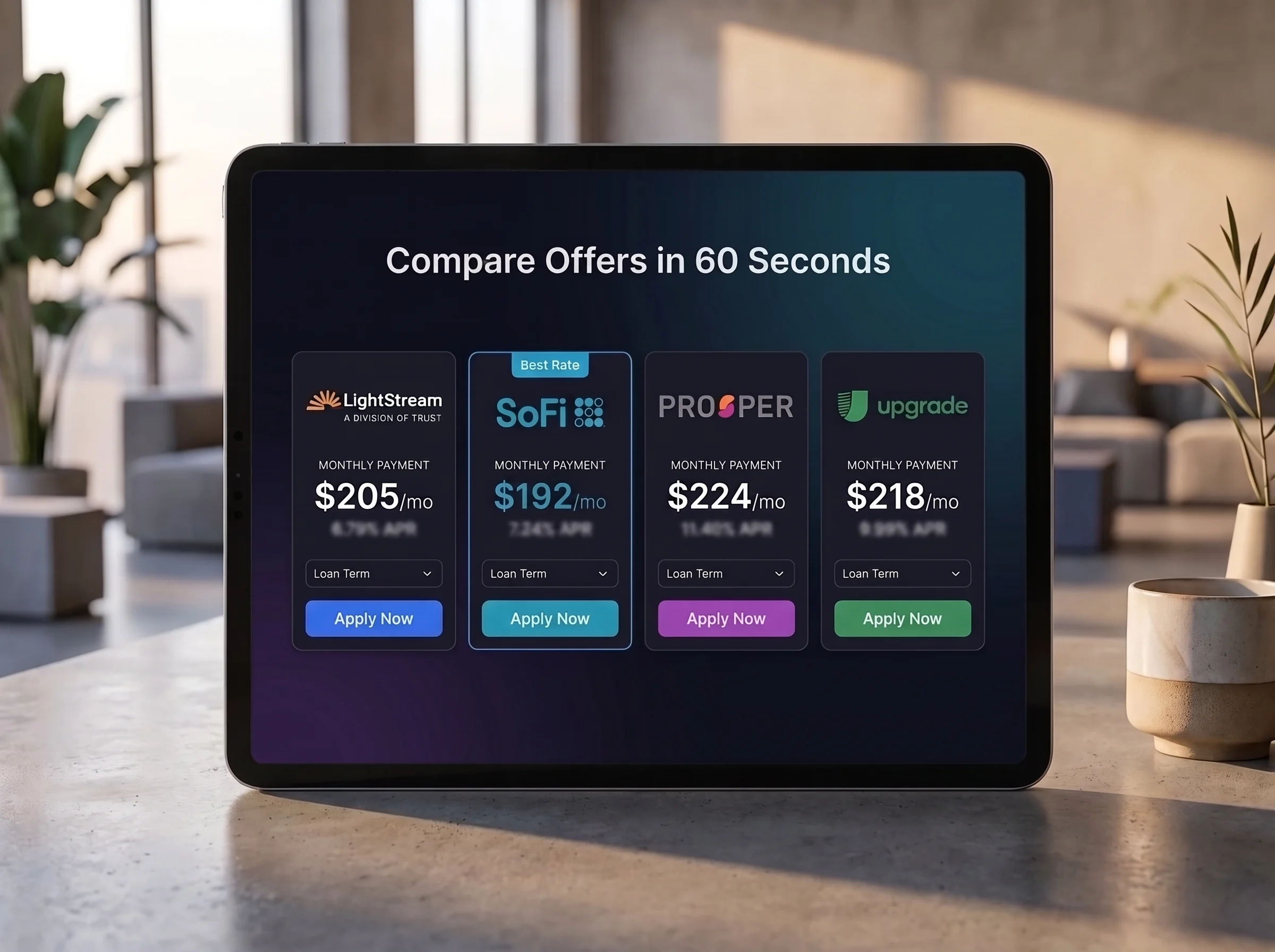
Participating Lender Network





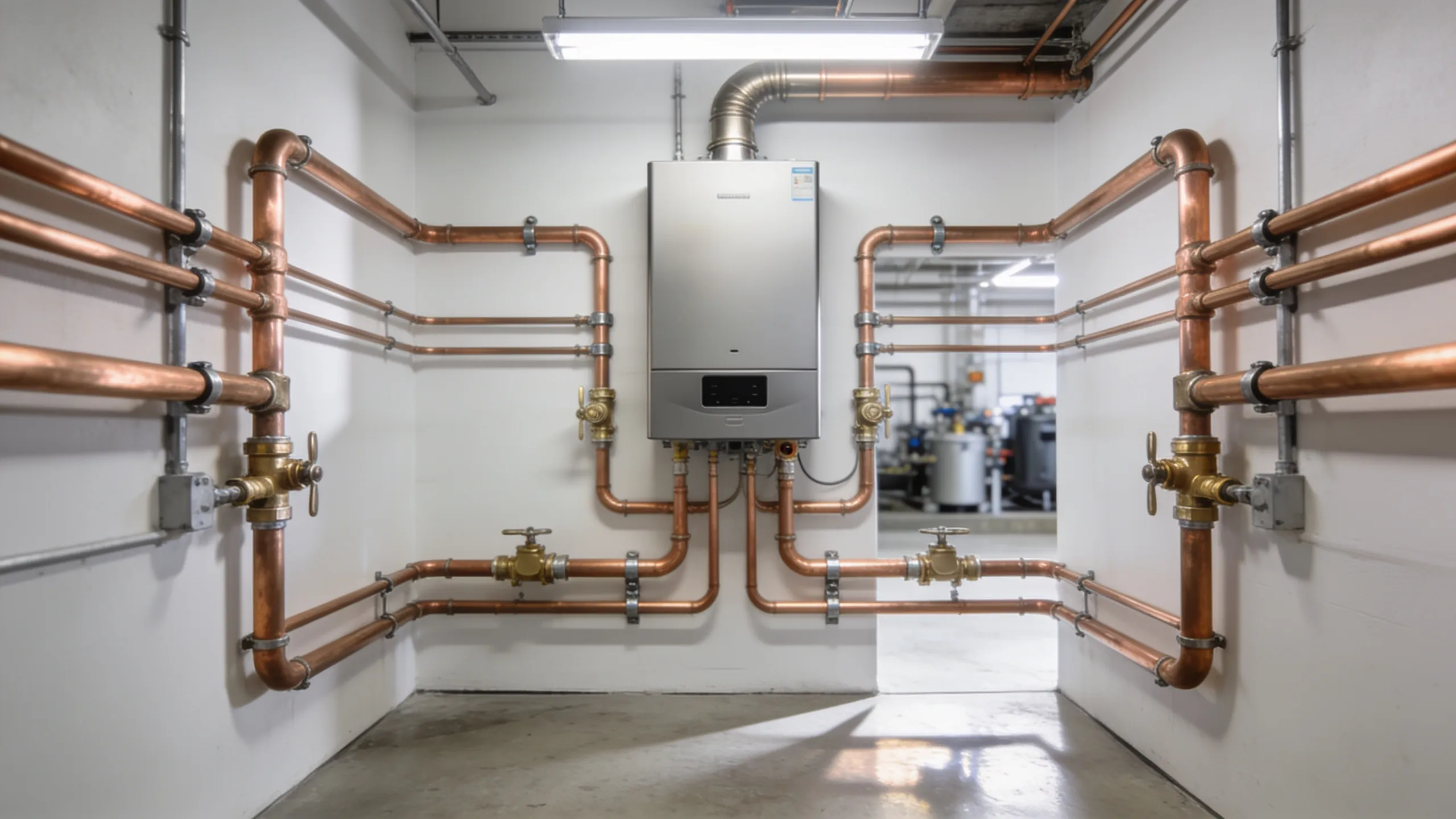
How to Finance a Tankless Water Heater
When a water heater fails, hot water is not optional, so most people need to pay for a replacement quickly, and a tankless unit costs more than a standard tank. You can finance a tankless water heater with a personal loan, a home equity loan or HELOC, plumber or contractor financing, a utility on-bill program, or a 0% credit card. With tankless units running $2,200 to $5,500 installed, the right choice depends on how urgently you need it, your credit, and whether the premium over a standard tank is worth borrowing more for.
Key Takeaways
- Tankless water heaters cost $2,200 to $5,500 installed, more than a standard tank at $700 to $2,000, but last 15 to 20 years versus 8 to 12.
- A personal loan is often the best fit for an urgent replacement: it funds fast, needs no equity, and works with fair credit.
- “No credit check” financing almost always means lease-to-own, which can cost far more than the unit’s cash price over time.
- The federal tax credit for water heaters ended after 2025, so state and utility rebates are now the savings path.
- Income-qualified households can get large rebates, but mainly toward a heat pump water heater, not a standard gas tankless.
- Before borrowing more for tankless, weigh whether you will stay long enough to recoup the premium through its longer life and lower bills.
How Much Does a Tankless Water Heater Cost?
A tankless unit runs $2,200 to $5,500 installed, and more if you are switching from a tank, since that can require new gas lines, venting, or electrical work. For comparison, a standard tank is $700 to $2,000, and a heat pump (hybrid) unit is $1,900 to $4,600.
What a Water Heater Costs by Type
Typical installed cost range, before rebates.
Bar length reflects the top of each range. Figures from Water Heater Checker and HomeGuide.
The biggest cost driver on a tankless install is what your home already has. A like-for-like swap is cheaper, but converting from a tank often means upsizing the gas line, adding venting, or running a new circuit, which can add hundreds to over a thousand dollars. Fuel type (gas versus electric), the unit’s flow capacity, and whether your home needs one central unit or several point-of-use units all move the price. Ask for an itemized quote that separates the unit from the installation work.
Is a Tankless Water Heater Worth Financing?
Since a tankless unit costs more than a tank, it is worth asking whether the premium is worth borrowing more for, and the answer depends on your situation. A tankless heater’s advantages, endless hot water, a smaller footprint, and a 15-to-20-year lifespan against a tank’s 8 to 12, pay off most for households that will stay in the home long enough to recoup the higher upfront cost.
If you expect to move in a few years, the extra money you finance may not come back through energy savings and longevity before you sell. If you are staying long term and use a lot of hot water, tankless can be a sound investment. There is also a third option worth pricing: a heat pump water heater. It costs less than tankless, uses far less energy than a standard electric tank, and, as the next sections cover, it is the unit most rebate programs favor, which can change the math entirely for households that qualify. The point is to match the unit to how long you will stay and which incentives you can actually use, rather than defaulting to the most expensive option.
How Do You Finance a Tankless Water Heater?
Because a water heater is often an emergency, speed matters as much as cost. Here is how the main financing paths compare.
Personal Loans
A personal loan is an unsecured lump sum you repay at a fixed rate. It funds in as little as one to five business days, needs no home equity, and records no lien against your property. That speed suits an urgent replacement, and it works with fair credit, which makes it the practical default for most water heater purchases. Because it is unsecured, the rate is higher than a home-equity option, so if the unit can wait and you have equity, compare a HELOC.
Home Equity Loans and HELOCs
If you have equity and a little time, a home equity loan or HELOC usually carries the lowest rate. The trade-offs are closing costs, a longer funding timeline, and your home as collateral, which is a lot of process for a purchase this size, so these fit better when a water heater is part of a larger project than as a standalone emergency fix.
Plumber and Contractor Financing
Many plumbers and water heater installers offer financing at the point of sale, sometimes with a promotional 0% period. It is convenient and fast, but confirm whether a “0%” offer is true zero interest or deferred interest, and compare it against an outside loan before signing.
Utility On-Bill Programs
Some gas and electric utilities let you finance a water heater through a payment plan added to your monthly bill, often with the install and old-unit removal included. Where available, this can be a simple, low-cost option worth asking your utility about.
0% Credit Cards and Cash
For a lower-cost unit you can repay quickly, a card with a true 0% introductory offer can be interest-free within the promotional window. Paying cash, of course, avoids interest entirely if you can cover it.
Can You Finance a Water Heater With Bad Credit or No Credit Check?
Yes, financing a water heater with less-than-perfect credit is possible, and because a failed heater is urgent, options do exist, but some cost far more than others, so it helps to know what you are being offered.
Credit unions and community banks are often the most flexible traditional lenders, and marketplace personal loans let you prequalify with a soft credit pull, so you can compare real offers without denting your score. Adding a cosigner can improve your rate. The option to approach carefully is “no credit check” financing, which almost always means a lease-to-own or lease-purchase plan. These approve nearly everyone because you do not own the unit until you finish paying, and the total you pay can run well above the cash price, sometimes far above it. “No credit check” also does not mean “no credit needed” everywhere, and it is not the same as a loan. If a lease-to-own plan is your only path, read the full payment total before signing, and treat it as a last resort after a personal loan, a cosigned loan, or the rebate programs below.
Are There Free or Subsidized Water Heaters for Low-Income Households?
For income-qualified households, real help exists, though it is worth being precise about what it covers. The federal tax credit that once offset water heaters has ended, but rebate and assistance programs remain.
The Energy Efficient Home Improvement Credit (Section 25C) ended for property placed in service after December 31, 2025, so a water heater installed in 2026 does not qualify for that federal credit, though a 2025 install can still be claimed on that year’s return. In its place, the federal Home Electrification and Appliance Rebate program offers income-qualified households up to $1,750 toward a heat pump water heater, applied at the point of sale. Two things to know: it is largely aimed at heat pump units rather than a standard gas tankless, and it is administered state by state, with uneven rollout and some states already out of funds. Beyond that, utility rebates (often $300 to $1,000 for a qualifying efficient unit), the Weatherization Assistance Program, and LIHEAP can help lower-income households repair or replace a water heater. Because “free water heater” offers attract scams, work only through your utility or your state’s official program, and never share financial details with someone who contacts you unsolicited.
How Do You Qualify for Water Heater Financing?
Qualifying comes down to your credit, your income relative to your debts, and, for a secured loan, your home equity. A few quick steps improve your odds and your rate, even under time pressure.
- Get an itemized quote and check for rebates. Have the installer separate the unit from the installation work, and check whether your income or utility qualifies you for a rebate before you borrow, since that lowers the amount you need to finance.
- Check your credit and debt-to-income ratio. Pull your credit report, dispute errors, and pay down card balances, since utilization moves your score quickly. Most lenders want total monthly debt, including the new payment, at or below 43% of gross monthly income.
- Prequalify with more than one lender. Use soft-pull prequalification to compare real offers without affecting your score, then hold those against any plumber financing or lease-to-own offer. Compare on total cost over the full term, not the monthly payment.
| Qualification Metric | Personal Loans (Unsecured) | Lease-to-Own |
|---|---|---|
| Credit requirement | Fair credit and up (about 580+) | Little to none |
| You own it | Immediately | After all payments |
| Total cost | Lower | Often much higher |
Each provider sets its own terms. The core trade-off is that a personal loan asks for fair credit but costs less and gives you ownership immediately, while lease-to-own accepts almost anyone but can cost far more overall.
The Bottom Line
For a water heater, the right financing usually depends on how fast you need it and your credit. A personal loan funds quickly, needs no equity, and works with fair credit, which makes it the practical choice for most urgent replacements; a home equity option can cost less if the purchase is part of a larger project and you have equity; and a utility on-bill plan is worth asking about where offered. Lease-to-own accepts almost anyone but should be a last resort once the cheaper paths are exhausted.
Two smart moves before you finance a water heater can save you money. First, check whether a heat pump model qualifies for rebates through your utility or household income. Then compare the long-term value of a tankless, tank, and heat pump unit based on your budget, hot water needs, and how long you expect to own the home.
Explore related resources
- Plumbing Financing Options
- Sewer Line Replacement Financing
- Gas Fireplace Financing
- Septic System Financing
- Tankless Water Heater Financing
- Water Heater Financing
- Water Filtration System Financing
- Water Softener Financing
- Whole House Repipe Financing
- Water Well Financing
- Water Main Line Replacement Financing
The information provided by Pasha Funding is for educational and informational purposes only and should not be considered financial, legal, or tax advice. Every homeowner’s financial situation is different, and the financing options discussed may not be suitable for everyone. Before choosing a financing solution, carefully review the lender’s terms and consider consulting a qualified financial professional if needed.
Pasha Funding is a financing marketplace that connects homeowners with financing options offered by participating lending partners. We do not make loans, determine credit eligibility, or guarantee approval or specific loan terms. Pasha Funding is not a direct lender. We may receive compensation from participating lending partners when users submit an application or obtain a loan through our platform. This compensation may affect how and where financing options appear, but it does not influence our editorial evaluations.
Financing offers, rates, terms, and availability are determined solely by participating lenders and may change without notice. Our editorial content is created independently to help consumers better understand home improvement financing. While we strive to keep information accurate and current, financing products, lender requirements, rates, and offers may change over time. Any opinions expressed are those of the author and have not been reviewed, approved, or endorsed by our lending partners.


Frequently Asked Questions
In this guide
- How Much Does a Tankless Water Heater Cost?
- Is a Tankless Water Heater Worth Financing?
- How Do You Finance a Tankless Water Heater?
- Can You Finance a Water Heater With Bad Credit or No Credit Check?
- Are There Free or Subsidized Water Heaters for Low-Income Households?
- How Do You Qualify for Water Heater Financing?
- The Bottom Line
how it works
3 Simple steps to
finance your project.
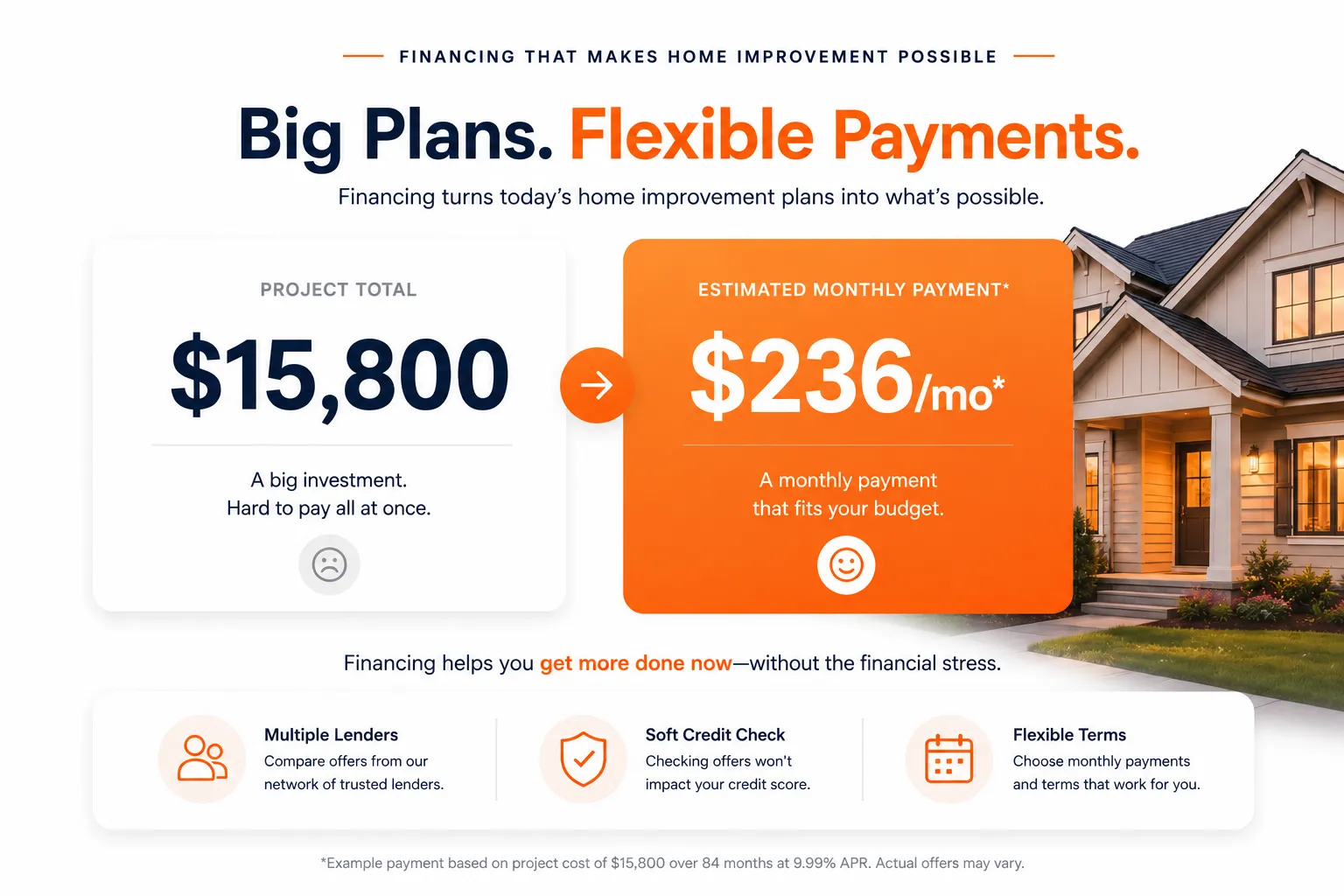
Getting started only takes a minute. Complete one simple application to compare available financing offers from over 18+ lenders, choose the option that fits your budget, and move forward with your home improvement project.
Tankless Water Heater Financing Calculator
1. Enter Your Desired Loan Amount
Your Estimate
Monthly Payment
-
This calculator provides estimates for illustrative purposes only and does not constitute an offer of credit or a commitment to lend. Final APRs, loan amounts, and terms depend on credit approval, income verification, and lender underwriting criteria. Minimum and maximum rates/terms vary by state.
Powered by: Pasha Funding
Risk-Free Prequalification
Checking offers won’t impact your credit.
It’s common for homeowners to delay applying because they’re worried about their credit score. With a soft credit check, you can review available financing options without any impact to your credit score.2