
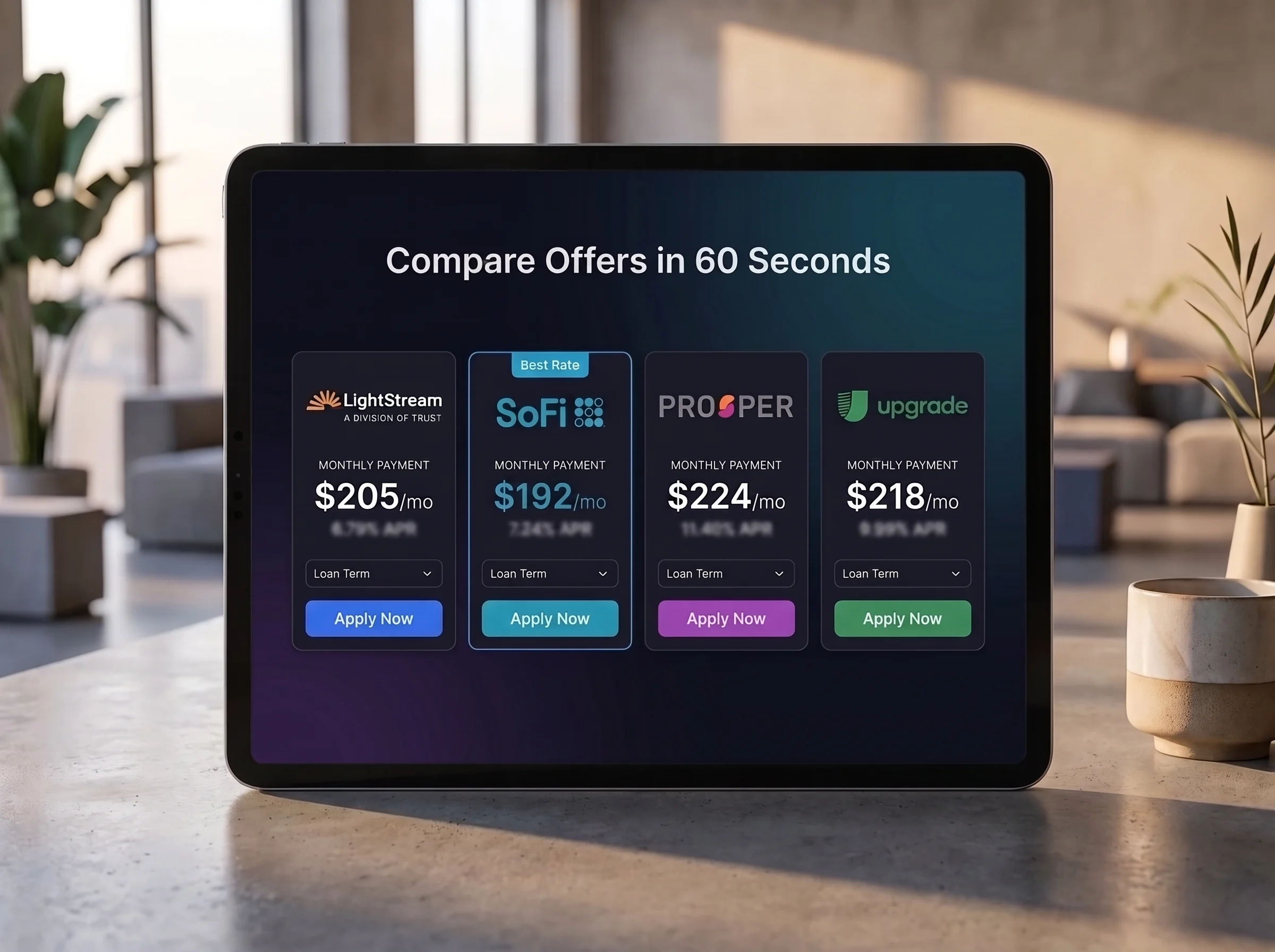
Participating Lender Network






How to Finance a Shipping Container in 2026
A used shipping container can cost a few thousand dollars, while a finished container home runs into six figures, and the way you pay for each could hardly be more different. The gap comes down to one question most builders gloss over: is the container personal property, like a car, or real property, like a house? That answer shapes your options more than anything else. Homeowners generally cover container projects with cash, a personal loan, dealer financing, or, for a permitted dwelling on a foundation, a home equity loan, cash-out refinance, or renovation mortgage. Where your project lands depends on what you are building and how permanent it is.
Key Takeaways
- A bare container costs roughly $1,400 to $8,200, while a finished container home or ADU runs $25,000 to $250,000 or more.
- The biggest financing factor is whether the container is personal property or real property, since only real property qualifies for a mortgage.
- A personal loan or cash fits storage containers, workshops, and small builds that are not permanently affixed.
- A permitted container ADU on a foundation can be financed with home equity, a cash-out refinance, or a renovation mortgage.
- Many lenders view container homes as unconventional and may not lend until the project passes inspection and gets a certificate of occupancy.
- Permits, zoning, and used-container safety all need checking before you buy, since some areas restrict container structures.
What Do Homeowners Use Shipping Containers For?
Containers show up in home improvement in a few distinct roles, and each one points toward a different budget and a different way to pay.
On-Site Storage During a Renovation
A container dropped in the driveway gives you secure, weatherproof storage for furniture and materials while a major remodel is underway. This is the cheapest use, and many homeowners rent rather than buy for a short project.
Workshop, Home Office, or Studio
A single container converts into a detached workshop, a backyard office, or an art studio, insulated and wired but often without plumbing. These builds are mid-range and usually stay classified as personal property.
Accessory Dwelling Unit or Guest House
Fitted with a kitchen, bathroom, and utilities and set on a foundation, a container becomes a full accessory dwelling unit for a relative, a tenant, or rental income. This is the most expensive use and the one most likely to qualify as real property.
Modular Addition
Containers can also be joined to expand a home’s footprint, adding a room or wing. These builds involve structural work to connect the container to the existing house and meet code.
How Much Does a Shipping Container Project Cost?
The price depends far more on the finish than on the steel box itself. A bare container is a few thousand dollars, but turning one into a livable space is where the real cost sits. Here is how the common projects compare.
What a Shipping Container Project Costs
Typical range by project type, before site and permit costs.
Bar length reflects the top of each range. Figures from HomeGuide and Angi.
A finished container home generally runs $150 to $350 per square foot, similar to a standard ADU. Beyond the container and the buildout, budget for delivery and craning the unit into place, a foundation ($3,000 to $19,000), utility hookups, permits, and site prep, costs that a per-container price never includes. One detail that catches people off guard: a standard container leaves only about seven feet of headroom once you add insulation and flooring, below residential code, so a high-cube container with its extra foot is usually necessary for a livable space. As with any build, quotes vary by region and site access, so price your specific project rather than relying on an average.
Why Your Shipping Container’s Classification Can Affect Your Financing Options
This is the fork in the road for container financing, and it is worth settling before you shop for a loan. A container that is not permanently affixed is personal property, financed like a vehicle, while a container fixed to a foundation on land you own can be real property, financed like a house.
The distinction is the same one that governs manufactured homes. According to the Consumer Financial Protection Bureau, a structure titled as personal property must generally be financed with a personal property loan, also called a chattel loan, while a home on a permanent foundation on land the owner holds can be titled as real property and financed with a mortgage. The difference is not academic. Chattel loans carry interest rates that typically run two to five percentage points higher than mortgages, shorter terms, higher denial rates, and fewer consumer protections. So a container you set down as a workshop or storage unit will be financed as personal property, whichever loan you choose, while a permitted ADU on a foundation may open the door to lower-cost, home-secured financing. If you are building a permanent dwelling, pursuing the real-property path is usually worth the extra steps, because financing the same unit as personal property costs considerably more over its life.
How Do You Finance a Shipping Container Project?
The best financing option depends on your project’s cost, size, and whether the structure is considered permanent. Here’s how the most common financing options compare.
Cash and Personal Loans
For a storage container, a workshop, or a small studio, cash or a personal loan is usually the practical route. A personal loan provides a fixed sum in a few days, needs no home equity, and puts no lien on your property, and because these smaller builds rarely qualify as real estate anyway, an unsecured loan avoids the appraisal and title steps a mortgage would require. Terms typically run two to seven years, and the rate is higher than a home-secured loan.
Dealer and Manufacturer Financing
Many container builders offer financing directly, sometimes with a promotional 0% tier on smaller amounts. It is convenient and geared to the product, but the terms come from the seller, and larger builds can exceed the financing cap, leaving you to cover the difference. Compare it against an outside loan before committing.
Home Equity Loans and HELOCs
If you own your home and have equity, borrowing against it usually brings the lowest rate for a larger container project, such as an ADU. A HELOC also lets you draw funds in stages as the build progresses. The trade-offs are closing costs, a few weeks to fund, and your home as collateral.
Renovation and ADU Mortgages
For a permitted container ADU that qualifies as real property, renovation loans and ADU-focused mortgage products can finance the build. Freddie Mac allows ADU financing across its mortgage offerings and lets you count projected ADU rental income toward qualifying, which can help if you plan to rent the unit. A cash-out refinance is another way to pull equity for the project when the numbers work.
Can You Get a Mortgage or Traditional Loan for a Container Home?
Sometimes, but expect more resistance than with a conventional house. Many lenders view container homes as unconventional and will want detailed plans, a solid income picture, and proof the finished structure meets code before they lend.
Some lenders will not fund a container home until it has passed inspection and received a certificate of occupancy, which creates a timing problem: you may need short-term financing, a personal loan or a construction loan, to complete the build, then refinance into a mortgage once the unit is finished and titled as real property. Appraisals can be another hurdle, since comparable sales for container homes are scarce in many markets, which makes some lenders cautious about the value. None of this makes a container home unfinanceable, but it does mean the real-property path takes planning: line up your permits, your builder, and a lender familiar with container or ADU projects early, rather than assuming a standard mortgage will be waiting at the end.
What Permits and Code Requirements Apply to Container Structures?
Container projects face real regulatory scrutiny, and sorting it out before you buy protects both your budget and the build. A container used as a dwelling must meet the same building codes as any home, and some jurisdictions restrict or prohibit container structures outright.
Zoning rules determine whether you can place a container on your lot and how it can be used, and ADU regulations vary widely from one city to the next. A livable container must satisfy the residential building code for insulation, egress, ceiling height, and utilities, which is a large part of why the buildout costs so much. On top of the regulatory side, used containers carry a health consideration worth taking seriously: older units may have been coated with lead-based or other industrial paints, or may hold pesticide residue from treated cargo floors, so it pays to buy from a reputable supplier and confirm the container’s history and treatment. Confirm zoning, permits, and code requirements with your local building department before you commit money, and fold permit and inspection fees into your budget.
Can You Finance a Container Build With Bad Credit?
A lower credit score narrows your options and raises the rate, but it does not rule out a container project, especially a smaller one. Check that the monthly payment fits your budget before signing, and consider whether a more modest build keeps the cost manageable.
Credit unions and community banks are often the most flexible traditional lenders, and prequalifying through an online marketplace lets you see real offers with only a soft credit check. A cosigner with stronger credit can improve your rate. For a dwelling on land you own, a home equity option may be reachable even with weaker credit, since your home secures it, though the rate will reflect the risk. Because dealer and chattel financing for container projects can carry steep rates for lower-credit borrowers, compare any such offer carefully against an outside personal loan before accepting it.
How Do You Qualify for Shipping Container Financing?
Qualifying depends on which path your project takes, so the first move is not about your credit at all, it is about how the container will be classified. Settle that, and the rest of the preparation falls into place.
Start by confirming whether your build will be personal property or real property, since that determines which loans you can even apply for; a call to your local building department about zoning and permits answers most of it. From there, get an itemized quote that separates the container, delivery, site work, and finishing, so you know the full amount to finance rather than just the container price. Then turn to the usual lender criteria: check your credit report for errors, keep your total monthly debt, including the new payment, at or below roughly 43% of your gross income, and prequalify with two or three lenders using a soft credit check so you can compare real offers on total cost rather than the monthly payment.
| Project Type | Likely Classification | Typical Financing |
|---|---|---|
| Storage or workshop | Personal property | Cash, personal loan, dealer financing |
| Backyard office or studio | Usually personal property | Personal loan, HELOC |
| Permitted ADU on foundation | Can be real property | HELOC, cash-out refinance, ADU mortgage |
These are general patterns, and your local rules and lender will set the specifics. The theme is that the more permanent and code-compliant the structure, the more financing options, and usually the lower the rate, become available.
The Bottom Line
Financing a shipping container home starts with understanding the type of project you’re building. A storage unit, a workshop, or a small studio is personal property, and cash, a personal loan, or dealer financing usually fits it well. A permitted ADU on a foundation can become real property, which opens up home equity, a cash-out refinance, or an ADU mortgage at a lower rate, and it is generally worth the extra steps for a permanent dwelling. Just expect some lenders to hesitate over container homes and to want the project finished and inspected first.
Before you borrow, a couple of steps can save you money and headaches: confirm with your local building department how the container will be classified and permitted, since that decides your financing, and get an itemized quote covering the container, delivery, site work, and finishing so you borrow for the whole project rather than the box alone.
The information provided by Pasha Funding is for educational and informational purposes only and should not be considered financial, legal, or tax advice. Every homeowner’s financial situation is different, and the financing options discussed may not be suitable for everyone. Before choosing a financing solution, carefully review the lender’s terms and consider consulting a qualified financial professional if needed.
Pasha Funding is a financing marketplace that connects homeowners with financing options offered by participating lending partners. We do not make loans, determine credit eligibility, or guarantee approval or specific loan terms. Pasha Funding is not a direct lender. We may receive compensation from participating lending partners when users submit an application or obtain a loan through our platform. This compensation may affect how and where financing options appear, but it does not influence our editorial evaluations.
Financing offers, rates, terms, and availability are determined solely by participating lenders and may change without notice. Our editorial content is created independently to help consumers better understand home improvement financing. While we strive to keep information accurate and current, financing products, lender requirements, rates, and offers may change over time. Any opinions expressed are those of the author and have not been reviewed, approved, or endorsed by our lending partners.


Frequently Asked Questions
In this guide
- What Do Homeowners Use Shipping Containers For?
- How Much Does a Shipping Container Project Cost?
- Why Your Shipping Container’s Classification Can Affect Your Financing Options
- How Do You Finance a Shipping Container Project?
- Can You Get a Mortgage or Traditional Loan for a Container Home?
- What Permits and Code Requirements Apply to Container Structures?
- Can You Finance a Container Build With Bad Credit?
- How Do You Qualify for Shipping Container Financing?
- The Bottom Line
how it works
3 Simple steps to
finance your project.
Getting started only takes a minute. Complete one simple application to compare available financing offers from over 18+ lenders, choose the option that fits your budget, and move forward with your home improvement project.
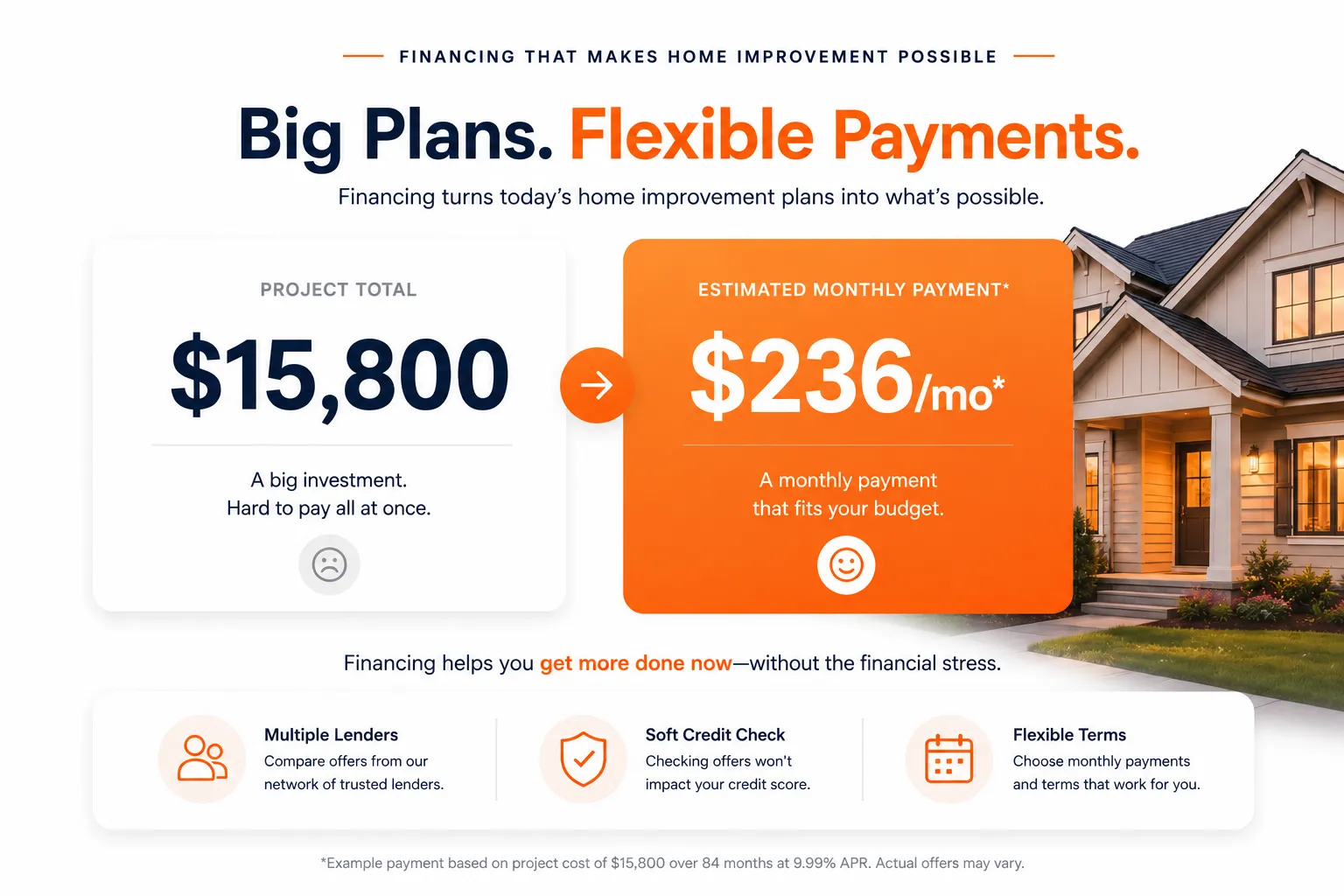
Shipping Container Financing Calculator
1. Enter Your Desired Loan Amount
Your Estimate
Monthly Payment
-
This calculator provides estimates for illustrative purposes only and does not constitute an offer of credit or a commitment to lend. Final APRs, loan amounts, and terms depend on credit approval, income verification, and lender underwriting criteria. Minimum and maximum rates/terms vary by state.
Powered by: Pasha Funding
Risk-Free Prequalification
Checking offers won’t impact your credit.
It’s common for homeowners to delay applying because they’re worried about their credit score. With a soft credit check, you can review available financing options without any impact to your credit score.2