Participating Lender Network





How to Finance Your Plumbing Repairs & Upgrades
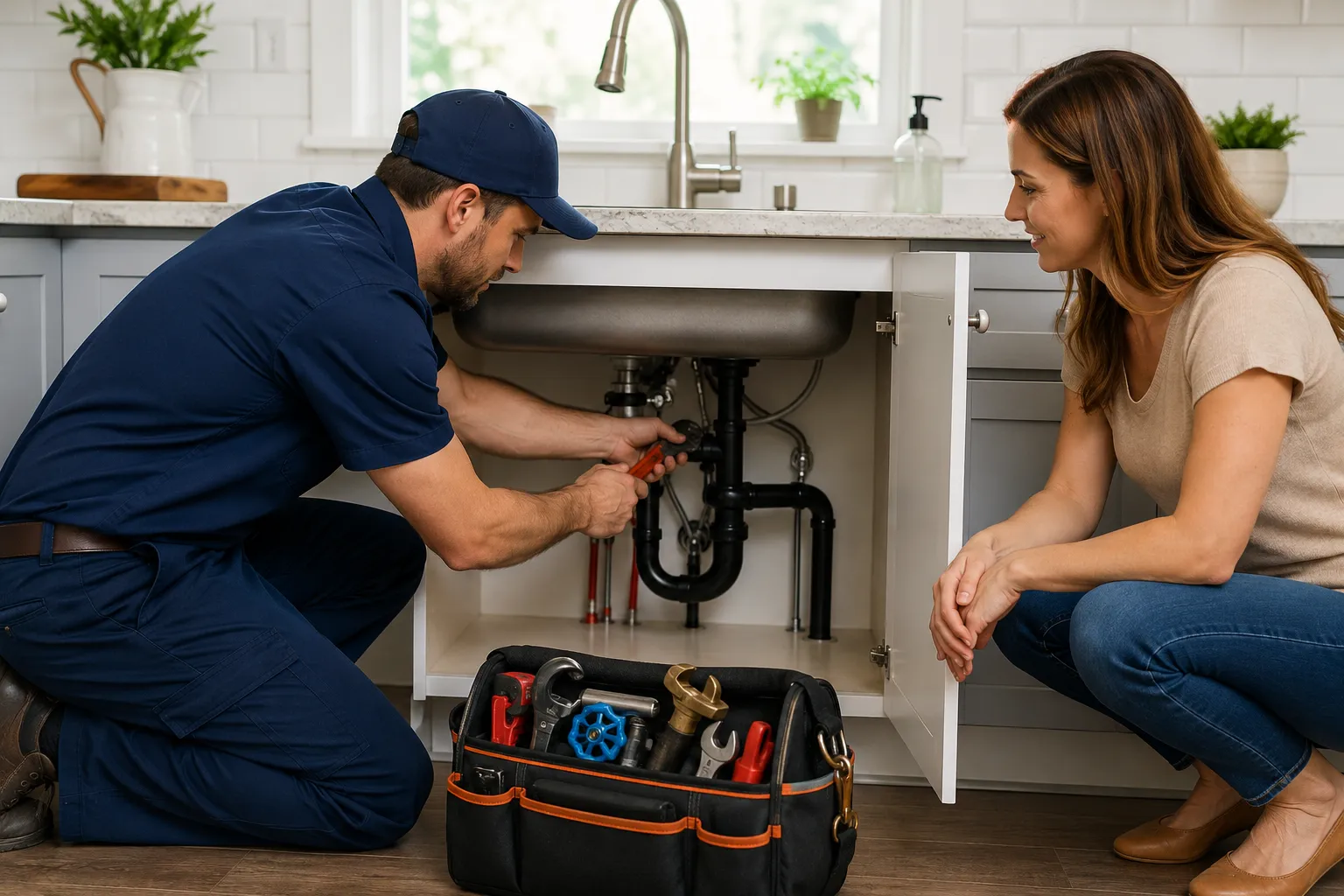
Most plumbing problems don’t give you much warning. One day everything is working normally. The next, you’re dealing with a failed water heater, a broken pipe, or a leak that needs immediate attention.
The repair itself is stressful. Then comes the estimate.
Plumbing costs vary depending on the type of repair, the materials needed, and the complexity of the job. Small plumbing repairs typically cost between $125 and $350, while larger repairs often range from $500 to $800. Major projects, such as replacing a water heater, repairing a sewer line, or repiping an entire home, can cost several thousand dollars. That means the final bill may be much higher than you expected.
If paying the full amount upfront isn’t practical, plumbing financing can help. Instead of covering the entire cost at once, you can spread payments over time with a loan or payment plan that fits your budget.
How Plumbing Financing Works
Plumbing financing lets you complete a repair now and pay for it over time. Depending on the lender, you may receive funds before the work begins or your contractor may be paid directly after your loan is approved.
The process is usually straightforward. After receiving an estimate from your plumber, you’ll submit a financing application that includes basic information about your income, employment, and credit history. Some lenders provide a decision within minutes, while others take a day or two.
A typical financing process looks like this:
- Get a written estimate from your plumber.
- Compare financing offers or apply through your contractor.
- Review your loan terms, including the APR and monthly payment.
- Accept the offer and schedule the repair.
- Repay the loan through fixed monthly payments.
Example: Your plumber quotes $8,900 to replace a sewer line. Rather than paying the full amount upfront, you finance the project and repay it over several years with predictable monthly payments.
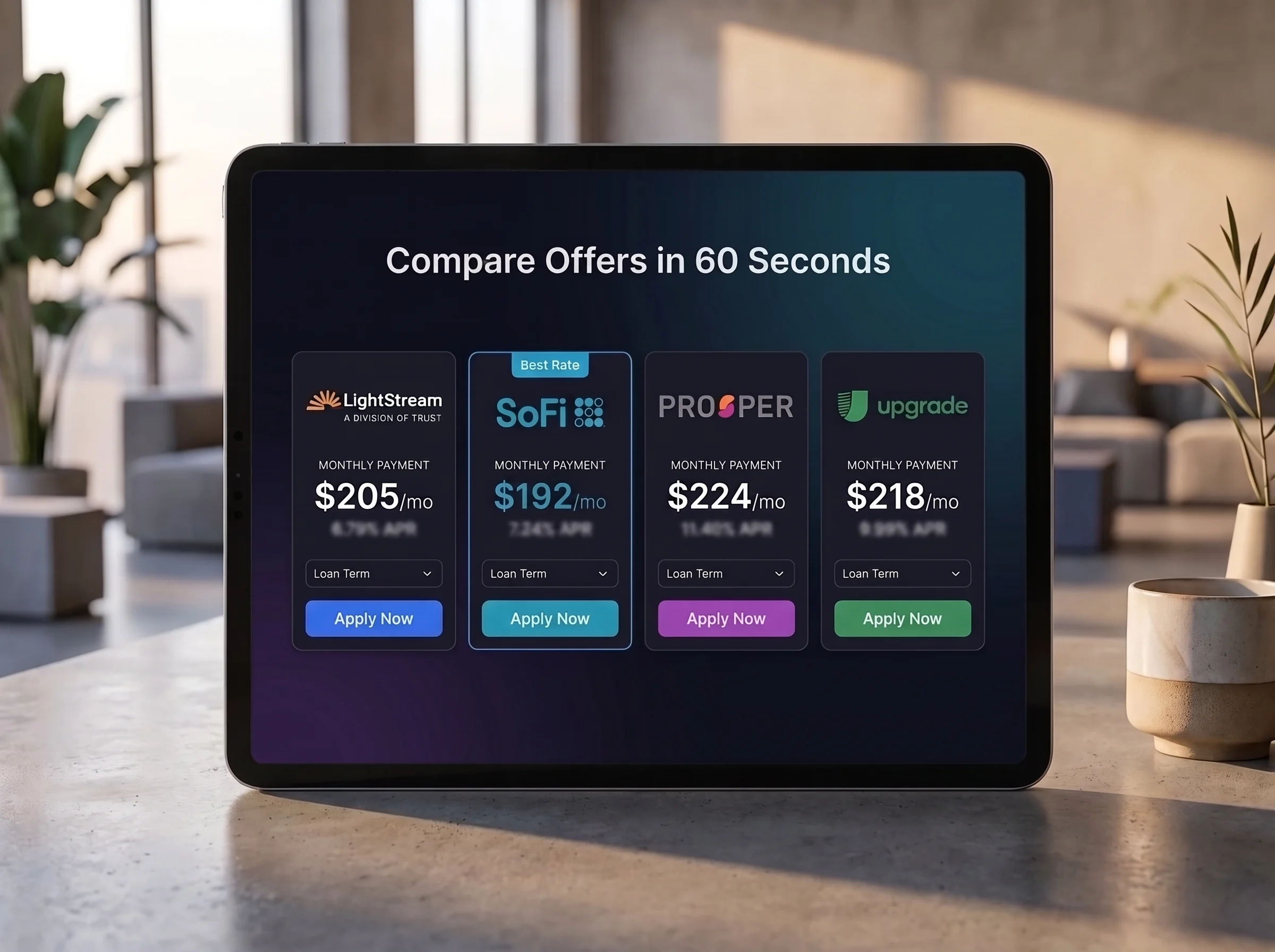
Before accepting any offer, compare more than the monthly payment. The APR, repayment term, and lender fees determine how much the loan will actually cost over time.
Plumbing Financing Options Explained
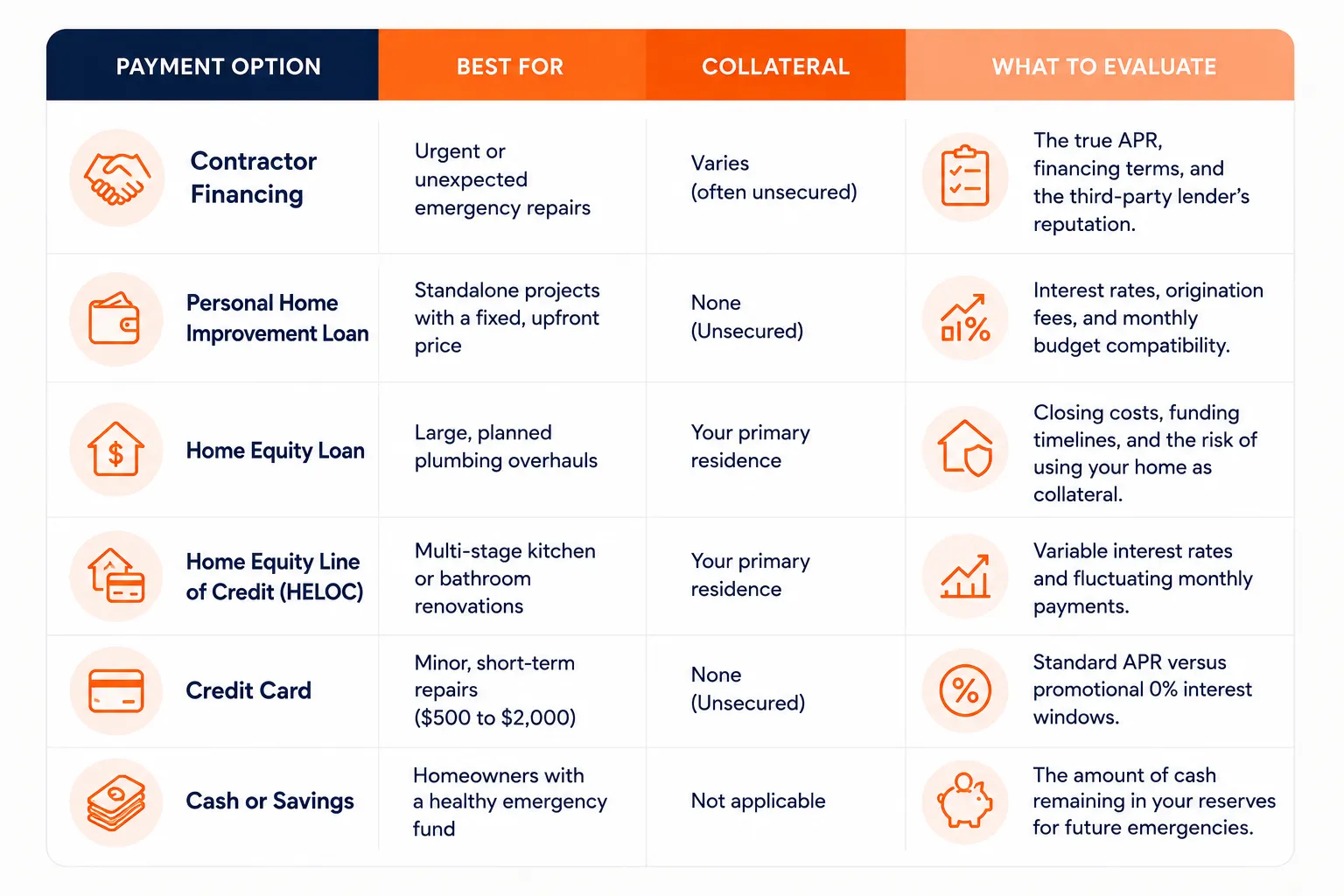
There isn’t one financing option that’s right for every homeowner. The best choice depends on how much you need to borrow, how quickly the repair needs to happen, and how comfortable you are with the monthly payment.
For example, replacing a leaking water heater is very different from planning a full bathroom remodel. Emergency repairs usually require fast funding, while planned projects give you more time to compare lenders and interest rates.
Here are the most common ways homeowners pay for plumbing repairs.
Customer Financing Through Your Plumbing Contractor
Many plumbing companies partner with banks or financing companies to offer payment plans directly through the contractor. Instead of searching for a lender yourself, you can often apply during your estimate and review available offers before scheduling the work.
This option is popular because it’s convenient. You can often complete the financing application in just a few minutes, and some lenders provide an approval decision the same day.
That said, convenience shouldn’t replace comparison shopping. Interest rates, loan terms, and lender fees can vary considerably. If you have time, it’s worth comparing at least a few financing offers before making a decision.
Personal Home Improvement Loans
Personal loans are one of the most common ways to finance plumbing repairs. Because these loans are unsecured, approval is based primarily on your credit history, income, and existing debt rather than the value of your home.
Loan amounts, repayment terms, and interest rates vary by lender, but many borrowers appreciate the predictable monthly payment. Fixed-rate loans make budgeting easier because the payment stays the same throughout the life of the loan.
If you’re dealing with an unexpected plumbing emergency, personal loans are often among the fastest financing options available. Many lenders provide approval decisions quickly, and qualified borrowers may receive funds within one or two business days.
Home Equity Loans
If you’ve built equity in your home, a home equity loan may offer a lower interest rate than an unsecured personal loan. The loan is secured by your home, which reduces the lender’s risk and often results in better borrowing terms for qualified homeowners.
Because your home serves as collateral, the approval process usually takes longer. You’ll often need an appraisal, additional documentation, and more time before the funds become available.
For that reason, home equity loans generally work better for planned renovations than emergency plumbing repairs that need immediate attention.
Home Equity Line of Credit (HELOC)
A HELOC works more like a credit line than a traditional loan. Instead of receiving one lump sum, you can borrow money as you need it during the draw period, up to your approved credit limit.
Many homeowners use a HELOC when remodeling kitchens or bathrooms because plumbing expenses often occur alongside electrical, flooring, and cabinet work.
One tradeoff is that most HELOCs have variable interest rates. If rates increase, your monthly payment may increase as well.
Credit Cards
Using a credit card can make sense for a relatively inexpensive plumbing repair, especially if you qualify for a promotional 0% APR offer and can pay the balance before the promotional period expires.
For larger repairs, however, standard credit card interest rates are often much higher than personal loans or home equity financing. Carrying a large balance for several years can become expensive.
Cash or Savings
Paying cash eliminates interest charges and monthly loan payments. If the repair won’t significantly reduce your emergency savings, it may be the least expensive option.
However, using every dollar in your savings account to pay for a plumbing repair can leave you unprepared for the next unexpected expense. Maintaining an emergency reserve is just as important as avoiding unnecessary interest costs.
How to Qualify for Plumbing Financing
Every lender has its own approval requirements, but most look at the same financial factors. The stronger your application, the more likely you are to qualify for a lower interest rate and better loan terms.
If your credit isn’t perfect, don’t assume financing is off the table. Many lenders work with a wide range of credit profiles, although borrowers with stronger credit often receive more competitive offers.
Credit Score
Your credit score is one of the first things a lender reviews. It helps estimate how likely you are to repay the loan based on your borrowing history.
There’s no universal minimum credit score for plumbing financing. Some lenders approve borrowers with fair credit, while others reserve their lowest interest rates for applicants with good or excellent credit. If you have time before starting your project, improving your credit score may help you qualify for better terms.
Income and Employment
Lenders also want to see that you have enough income to comfortably make your monthly payments. They’ll typically review your employment history, monthly income, and existing financial obligations before making a decision.
Stable employment and a lower debt-to-income ratio generally strengthen your application. If you apply with a co-borrower, both incomes may be considered, depending on the lender.
Required Documents
Many online applications take only a few minutes to complete, but having a few documents ready can help the process move faster.
- A government-issued photo ID
- Proof of income, such as recent pay stubs or tax returns
- Employment information
- Your Social Security number for a credit check
- A written estimate for the plumbing project, if requested
Some lenders may ask for additional documentation depending on the loan amount or the financing program.
How Long Does Approval Take?
The timeline depends on the type of financing you choose.
Many personal loans and contractor financing programs provide a decision within minutes, and qualified borrowers may receive funds as soon as the next business day. Home equity loans and HELOCs typically take longer because they involve additional underwriting and may require a home appraisal.
How to Compare Plumbing Financing Offers
It’s tempting to focus on the monthly payment, but that’s only part of the picture. Two loans with the same payment can have very different total borrowing costs.
Before accepting an offer, compare the details that affect both your budget today and the total amount you’ll repay over time.
Compare More Than the Interest Rate
The annual percentage rate (APR) includes both the interest rate and certain lender fees, making it one of the best ways to compare loan offers. A loan with a lower interest rate isn’t always the less expensive option if it charges higher fees.
You’ll also want to review the repayment term. A longer term usually lowers your monthly payment, but it often increases the total interest paid over the life of the loan.
Questions to Ask Before You Borrow
- Is the interest rate fixed or variable?
- Are there origination or closing fees?
- Can you repay the loan early without a penalty?
- When will your first payment be due?
- How long is the promotional rate, if one is offered?
Taking a few extra minutes to compare offers can save hundreds or even thousands of dollars over the life of the loan, especially for larger plumbing projects.
Which Plumbing Financing Option Is Right for You?
The best financing option depends on your situation. A planned bathroom renovation gives you time to compare lenders and interest rates. A burst pipe that’s flooding your home doesn’t.
Start by thinking about three things: how quickly you need the repair completed, how much you need to borrow, and how long you’re comfortable making monthly payments.
For Emergency Plumbing Repairs
When water is actively damaging your home, speed often matters more than finding the absolute lowest interest rate. Waiting a week to save a little on financing could lead to much larger repair bills if the damage spreads.
Contractor financing and unsecured personal loans are often the fastest options because many lenders provide approval decisions quickly and don’t require a home appraisal. If the repair can’t wait, these options can help you move forward sooner.
For Large Planned Projects
If you’re replacing old plumbing throughout your home or remodeling a kitchen or bathroom, you usually have more time to compare financing options.
Home equity loans and HELOCs may offer lower interest rates for qualified homeowners because your home secures the loan. The approval process generally takes longer, but the savings may be worthwhile for larger projects that aren’t immediate emergencies.
For Smaller Repairs
Not every plumbing job requires financing. If the repair costs a few hundred dollars and you have an emergency fund, paying cash may be the simplest and least expensive choice.
Some homeowners also use a credit card for smaller repairs, especially if they qualify for a promotional 0% APR offer and can pay the balance before the promotional period expires.
Can You Get Government Assistance for Plumbing Repairs?
Most homeowners shouldn’t expect the government to pay for routine plumbing repairs. Programs that cover general repairs are limited, and many have income restrictions or long application timelines.
That said, there are a few situations where financial assistance or incentives may be available.
Energy-Efficient Water Heater Incentives
If you’re replacing an older water heater with a qualifying high-efficiency model, you may be eligible for federal tax credits, utility rebates, or state energy-efficiency programs. These incentives can reduce the overall cost of the project, although they typically don’t provide immediate funding for emergency repairs.
Because available incentives vary by state and utility provider, it’s worth checking what’s available before purchasing new equipment.
Home Improvement Loan Programs
Some homeowners may qualify for government-backed home improvement programs or local assistance depending on where they live. These programs are often designed for specific improvements, rural housing, seniors, veterans, or lower-income households rather than routine plumbing repairs.
If you’re exploring assistance, start with federal and state housing agencies before assuming financing is your only option.
Helpful Resources
Final Thoughts
Plumbing problems rarely happen at a convenient time, and large repair bills can put pressure on almost any household budget. Financing gives you the flexibility to complete important repairs now while spreading the cost over time.
Before choosing a loan, compare the APR, repayment term, fees, and total borrowing cost – not just the monthly payment. Taking a few extra minutes to review your options can help you find financing that fits both your immediate needs and your long-term budget..
The information provided by Pasha Funding is for educational and informational purposes only and should not be considered financial, legal, or tax advice. Every homeowner’s financial situation is different, and the financing options discussed may not be suitable for everyone. Before choosing a financing solution, carefully review the lender’s terms and consider consulting a qualified financial professional if needed.
Pasha Funding is a financing marketplace that connects homeowners with financing options offered by participating lending partners. We do not make loans, determine credit eligibility, or guarantee approval or specific loan terms. Pasha Funding is not a direct lender. We may receive compensation from participating lending partners when users submit an application or obtain a loan through our platform. This compensation may affect how and where financing options appear, but it does not influence our editorial evaluations.
Financing offers, rates, terms, and availability are determined solely by participating lenders and may change without notice. Our editorial content is created independently to help consumers better understand home improvement financing. While we strive to keep information accurate and current, financing products, lender requirements, rates, and offers may change over time. Any opinions expressed are those of the author and have not been reviewed, approved, or endorsed by our lending partners.
Explore related resources
- Plumbing Financing Options
- Sewer Line Replacement Financing
- Gas Fireplace Financing
- Septic System Financing
- Tankless Water Heater Financing
- Water Heater Financing
- Water Filtration System Financing
- Water Softener Financing
- Whole House Repipe Financing
- Water Well Financing
- Water Main Line Replacement Financing


Plumbing Financing FAQs
Plumbing Financing Calculator
1. Enter Your Desired Loan Amount
Your Estimate
Monthly Payment
-
This calculator provides estimates for illustrative purposes only and does not constitute an offer of credit or a commitment to lend. Final APRs, loan amounts, and terms depend on credit approval, income verification, and lender underwriting criteria. Minimum and maximum rates/terms vary by state.
Powered by: Pasha Funding
how it works
3 Simple steps to
finance your project.
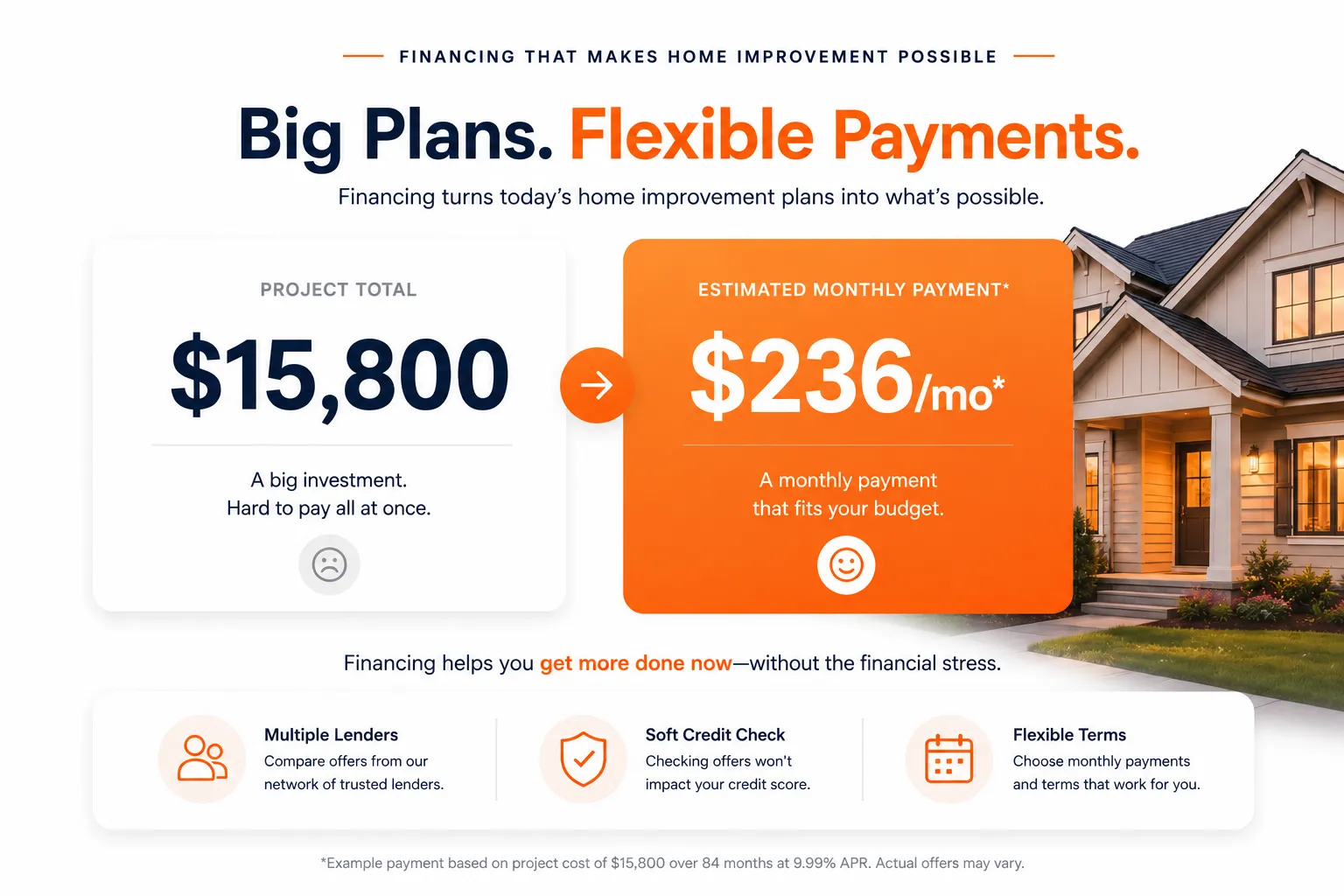
Getting started only takes a minute. Complete one simple application to compare available financing offers from over 18+ lenders, choose the option that fits your budget, and move forward with your home improvement project.
Risk-Free Prequalification
Checking offers won’t impact your credit.
It’s common for homeowners to delay applying because they’re worried about their credit score. With a soft credit check, you can review available financing options without any impact to your credit score.2