Participating Lender Network





How to Finance an Accessory Dwelling Unit (ADU)
You can finance an ADU with a personal loan, a home equity loan or HELOC, a cash-out refinance, a renovation loan, or a construction loan. With costs typically running $50,000 to $250,000, the right choice comes down to two things: how large the project is, and whether you have home equity to borrow against. Smaller projects like garage conversions and prefab units fit an unsecured personal loan well, while large detached builds usually call for a loan secured by your home.
Key Takeaways
- An ADU typically costs $50,000 to $250,000, with garage and basement conversions at the low end and detached builds at the high end.
- A personal loan fits smaller ADUs and homeowners without equity: it funds in days, needs no appraisal, and puts no lien on your home.
- Home equity loans, HELOCs, and cash-out refinances carry lower rates but require existing equity and weeks to close.
- Renovation loans like Fannie Mae HomeStyle and Freddie Mac ChoiceRenovation let you borrow against your home’s future value, so you can build without current equity.
- Projected ADU rental income can help you qualify for some loans, increasing your borrowing power.
- Match the financing to the project size, and total any rebates before you borrow to lower what you finance.
How Much Does an ADU Cost?
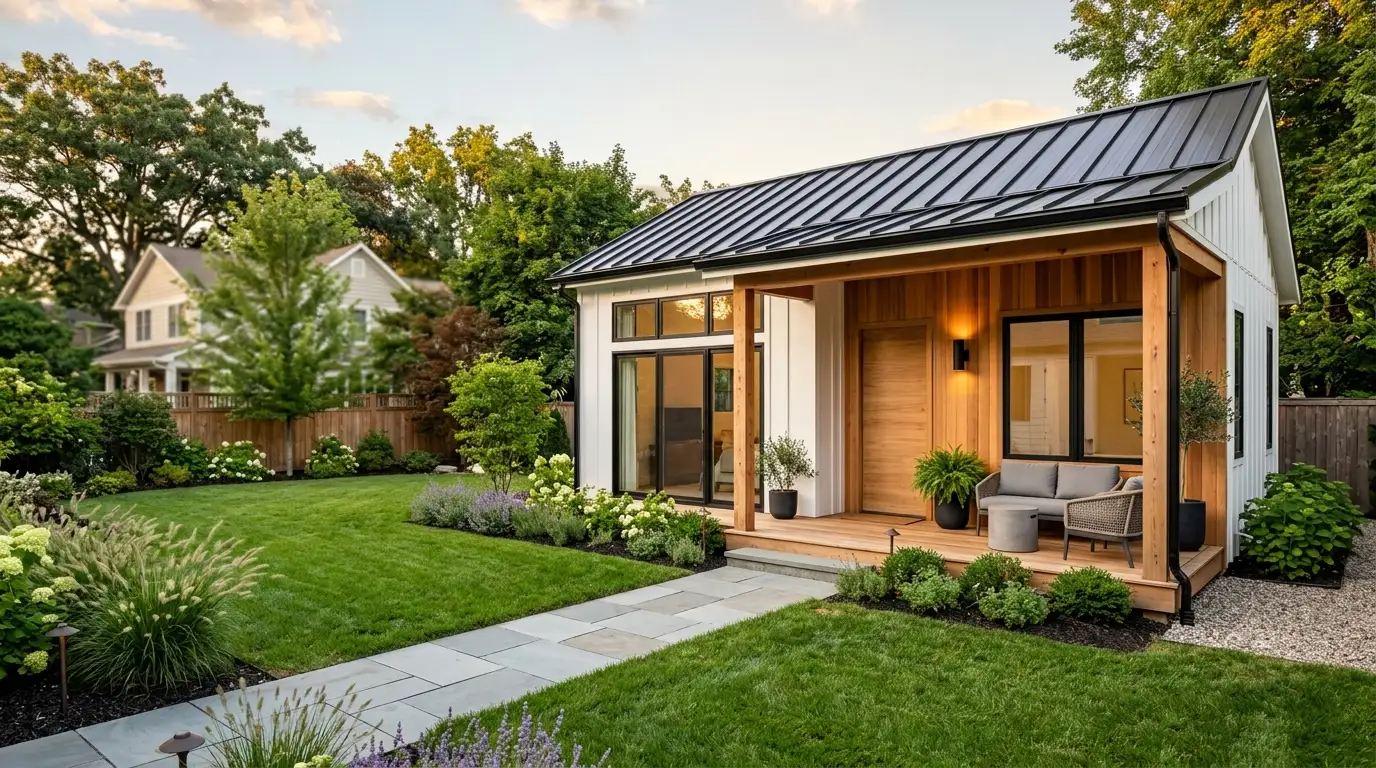
An ADU typically costs $50,000 to $250,000, and the type of ADU matters more than square footage. Converting existing space is far cheaper than building a new structure from the ground up.
What an ADU Costs by Type
Typical all-in cost range by construction type.
Bar length reflects the top of each range. Figures from JVM Lending and The Mortgage Reports.
What drives the price beyond type: site work and foundation, utility connections for a separate unit, permit and impact fees, and soft costs like design and engineering. Converting a space that already has power and plumbing is the single biggest way to keep the number down, which also keeps the project within reach of an unsecured loan.
How to Finance an ADU
The best way to finance an ADU depends on its size and your equity. Smaller projects fit an unsecured personal loan; large builds usually call for a loan secured by your home or a specialized renovation loan. Rates vary by loan type rather than by a single “ADU loan rate,” with home-secured options generally priced lower than unsecured ones. Here is how the main options compare.
Personal Loans
A personal loan is an unsecured lump sum you repay on a fixed schedule. It funds in as little as one to five business days, needs no home equity, and records no lien against your property.
It fits the lower end of the ADU market best: garage, basement, and attic conversions, and prefab units, which often land under the amount an unsecured loan can cover. It is also the natural choice for homeowners who want to start before building equity. Because there is typically no prepayment penalty, many owners use rental income once the unit is occupied to pay the loan down early. The trade-off is that personal loans cap lower than home-secured options and cost more, so they are less suited to a large detached build.
💡 Best for
Conversions, prefab units, and homeowners without equity who want to start quickly without securing the debt against their home.
Home Equity Loans and HELOCs
A home equity loan or HELOC borrows against the equity you already have and generally carries one of the lowest rates available. A HELOC adds flexibility, letting you draw funds as construction costs come in and pay interest only on what you use.
The trade-offs are real: you need significant equity, you pay closing costs, funding takes two to six weeks, and your home secures the debt. Most lenders cap combined borrowing at 80% to 85% of your home’s value, counting your first mortgage, which is your CLTV, or combined loan-to-value.
Cash-Out Refinance
A cash-out refinance replaces your primary mortgage with a larger one and hands you the difference to fund the ADU. It can roll the whole project into a single loan at mortgage rates, which is attractive if your current rate is not much lower than today’s.
The catch is that you refinance your entire mortgage balance, not just the ADU cost, so it rarely makes sense if you hold a low existing rate.
Renovation Loans (HomeStyle and ChoiceRenovation)
Renovation loans such as Fannie Mae’s HomeStyle and Freddie Mac’s ChoiceRenovation are built for projects like this. They let the appraiser value your home “subject to completion,” as if the ADU is already finished, so you can borrow against the property’s future value rather than its equity today.
That makes them one of the few paths to build a substantial ADU without existing equity. Both programs come with requirements worth knowing early: a licensed contractor, an appraisal completed “subject to completion,” a defined project timeline, and, in some cases, owner-occupancy of the primary home. Fannie Mae and Freddie Mac update these guidelines periodically, so confirm the current rules with a lender before you plan around them.
Construction Loans
An ADU construction loan funds a ground-up detached build in stages, releasing money as the work hits milestones. It suits large, from-scratch projects, then usually converts to or is replaced by a permanent mortgage once the unit is complete.
DSCR Loans
A DSCR (debt-service coverage ratio) loan qualifies you based on the ADU’s projected rental income rather than your personal income. It is aimed at homeowners building specifically to rent, and it requires a documented rental plan, so it is a niche rather than a mainstream option.
Can You Build an ADU With No Equity?
Yes, you can build an ADU without existing home equity, through either a renovation loan or a personal loan. These are the two paths that do not depend on the equity you have accumulated so far.
Renovation loans are the option for larger builds. Because Fannie Mae’s HomeStyle and Freddie Mac’s ChoiceRenovation appraise your home based on its value once the ADU is finished, your borrowing power comes from the project’s future value, not your current equity. This is how many homeowners fund a project that would otherwise be out of reach, though it comes with construction oversight, contractor requirements, and a longer timeline.
A personal loan is the simpler no-equity path for smaller projects. It is based on your credit and income rather than your home, so it needs no equity, no appraisal, and records no lien. For a conversion or prefab unit, it can get you funded in days rather than weeks.
Can You Use ADU Rental Income to Qualify?
Yes, some loans let you count projected ADU rental income toward qualifying, which can meaningfully increase your borrowing power. Recent Freddie Mac guidelines allow lenders to factor in expected rent, similar to how income from a duplex is treated.
For loans that allow it, you will need a documented rental estimate, often from a market analysis or appraisal, showing what the unit could reasonably earn. DSCR loans take this furthest, qualifying you almost entirely on the unit’s projected income.
One honest caveat: counting on rental income means becoming a landlord, with the tenant management, maintenance, and legal responsibilities that come with it. Build a budget that works even if the unit sits empty for a stretch.
How to Reduce the Amount You Finance
The less you borrow, the less interest you pay, and ADU costs are unusually flexible depending on the choices you make. A few decisions can move the total by tens of thousands of dollars.
Converting existing space beats building new. A garage, basement, or attic conversion that reuses existing power and plumbing can cost less than half of a detached new build. Prefab and manufactured units also run cheaper and faster than custom construction, and doing some of the finish work yourself can trim labor, which is usually the largest line item.
Rebates and incentives help too. Some states and utilities offer programs for ADUs or for the energy-efficient equipment inside them, and a handful of local governments run ADU-specific grant or forgivable-loan programs. Total whatever you qualify for before you settle on a loan amount, since it directly lowers what you finance.
One widely searched program deserves a clear note: California’s CalHFA ADU Grant, which offered up to $40,000 toward pre-development costs, has been paused with its funding fully allocated since December 2023, and no new round is open as of 2026. CalHFA cautions that anyone claiming they can still secure it may be running a scam, so verify any grant directly with the state agency or an approved lender before counting on it.
How to Qualify for ADU Financing
Qualifying comes down to your credit, your income relative to your debts, and, for a secured loan, your home equity. A few steps before you apply improve both your odds and your rate.
- Check your credit and fix quick errors.
Pull your credit reports and dispute mistakes, since a single correction can move your score. Paying down card balances helps fast, because credit utilization affects your score more than almost anything else. Avoid opening new accounts until your financing closes.
- Know your debt-to-income ratio.
Lenders compare your monthly debt payments to your gross monthly income, and most want that ratio at or below 43%. If you are counting on ADU rental income to help, ask the lender upfront whether and how they will include it.
- Confirm you can build, then prequalify.
Before borrowing, verify your property allows an ADU by checking local zoning, setbacks, and utility easements, since a lender will expect this. Then prequalify with two or three lenders using a soft credit pull, compare on total cost, and only then submit a full application.
Here are the baseline thresholds lenders look for:
| Qualification Metric | Personal Loans (Unsecured) | Home Equity / Renovation (Secured) |
|---|---|---|
| Minimum credit score | 580 to 640, fair credit accepted | 620 to 680+ |
| Home equity needed | None | Equity or future-value appraisal |
| Funding speed | 1 to 5 days | 3 to 8 weeks |
Thresholds reflect published underwriting standards. Because an unsecured loan skips the equity and appraisal steps, it stays available to homeowners who could not qualify for, or could not wait on, a secured loan.
The Bottom Line
The right ADU financing depends on the size of the project and whether you have equity. For a garage or basement conversion, a prefab unit, or any project where you want to start before building equity, a personal loan funds fast, needs no appraisal, and keeps your home free of a lien. For a large detached build, a home equity loan, cash-out refinance, or renovation loan will usually carry a lower rate, and a renovation loan can borrow against the finished value if you lack equity today. Whatever the path, confirm your property allows an ADU, total any rebates before you borrow, and compare offers on the total you will repay, not the monthly payment.
Offers are available from banks, credit unions, and online lending marketplaces, including Pasha Funding, which connects homeowners with multiple lenders through one application so you can review what you qualify for. Checking a rate takes just minutes.
The information provided by Pasha Funding is for educational and informational purposes only and should not be considered financial, legal, or tax advice. Every homeowner’s financial situation is different, and the financing options discussed may not be suitable for everyone. Before choosing a financing solution, carefully review the lender’s terms and consider consulting a qualified financial professional if needed.
Pasha Funding is a financing marketplace that connects homeowners with financing options offered by participating lending partners. We do not make loans, determine credit eligibility, or guarantee approval or specific loan terms. Pasha Funding is not a direct lender. We may receive compensation from participating lending partners when users submit an application or obtain a loan through our platform. This compensation may affect how and where financing options appear, but it does not influence our editorial evaluations.
Financing offers, rates, terms, and availability are determined solely by participating lenders and may change without notice. Our editorial content is created independently to help consumers better understand home improvement financing. While we strive to keep information accurate and current, financing products, lender requirements, rates, and offers may change over time. Any opinions expressed are those of the author and have not been reviewed, approved, or endorsed by our lending partners.


Frequently Asked Questions
how it works
3 Simple steps to
finance your project.
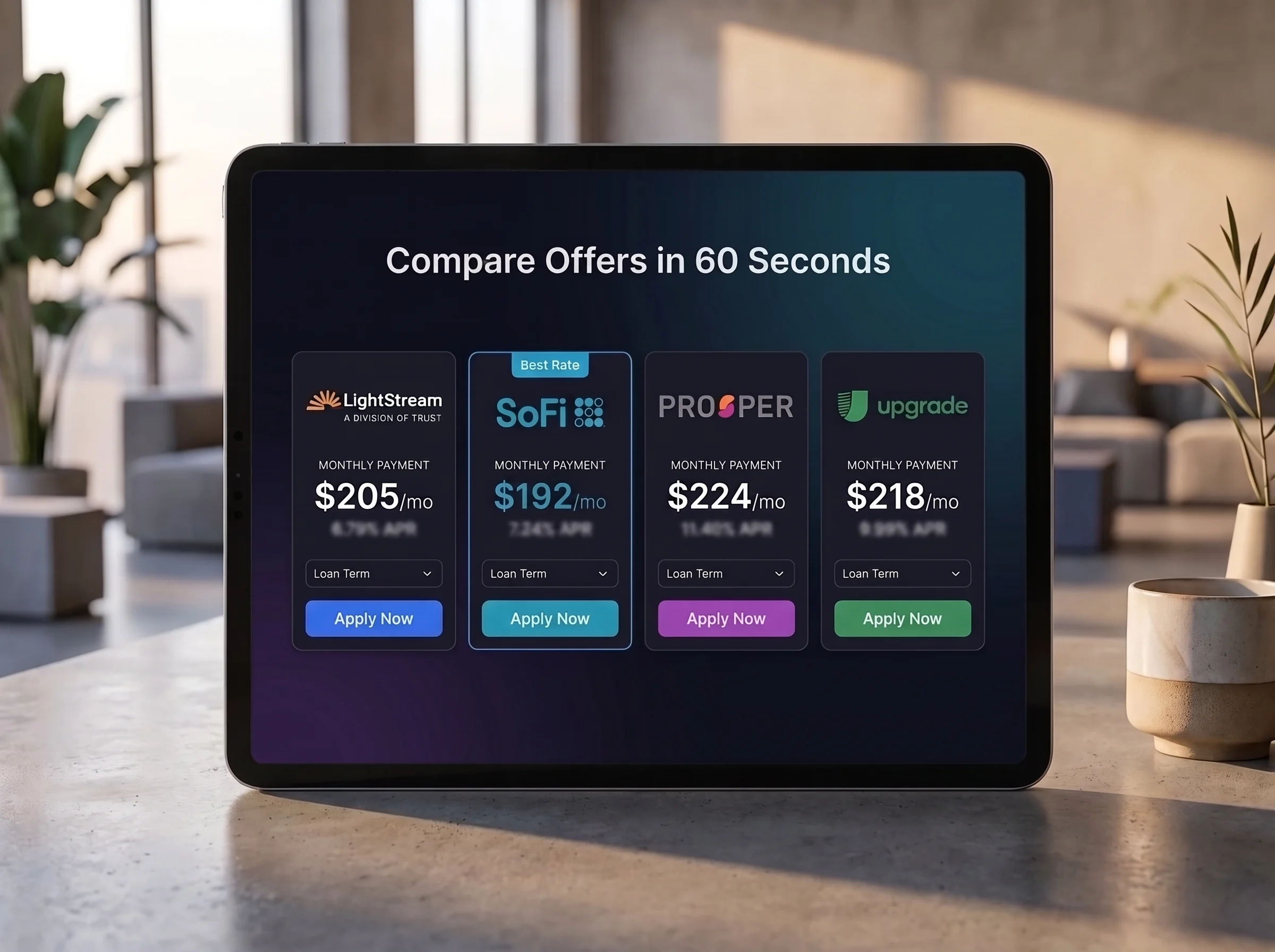
Getting started only takes a minute. Complete one simple application to compare available financing offers from over 18+ lenders, choose the option that fits your budget, and move forward with your home improvement project.
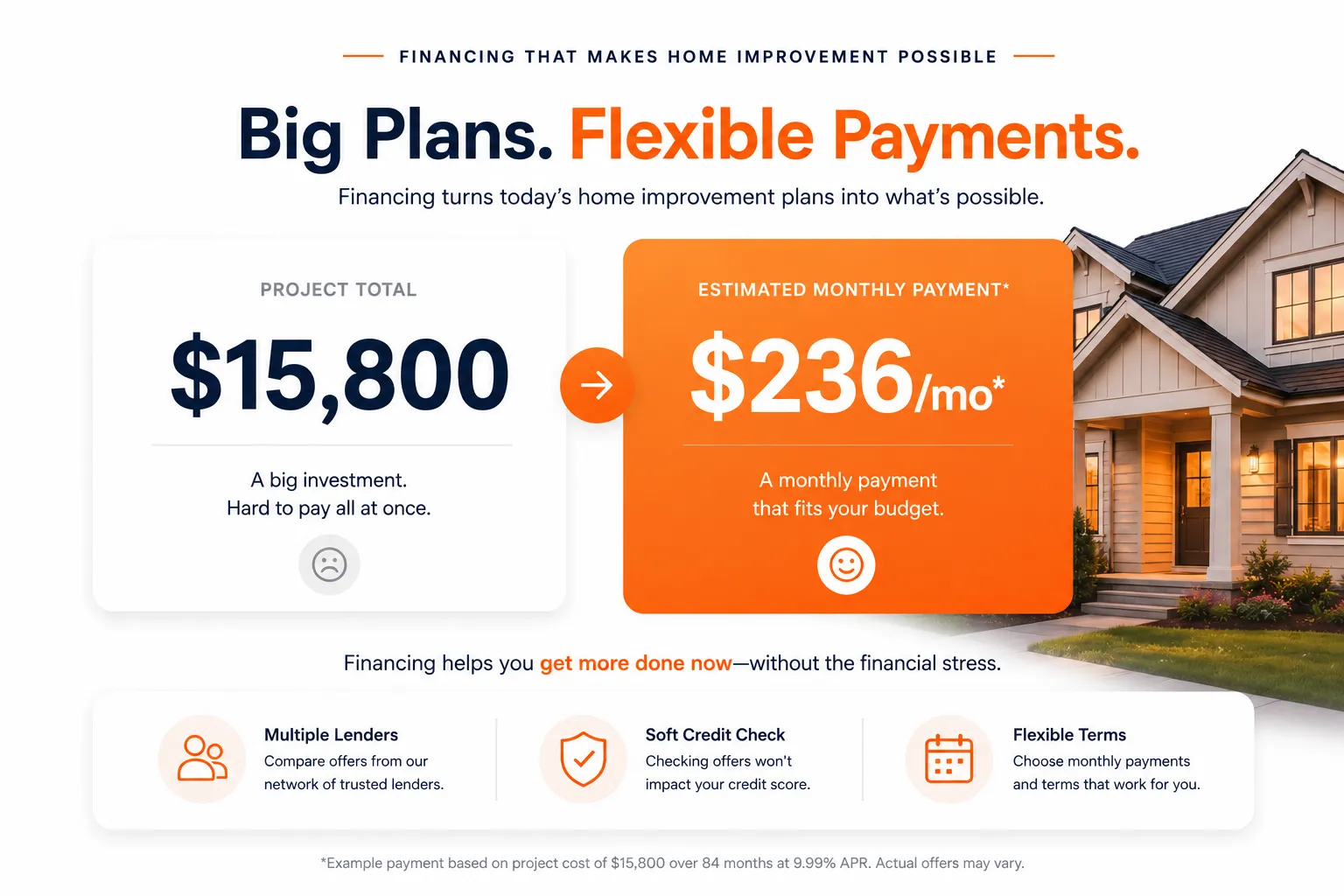
ADU Personal Loan Calculator
1. Enter Your Desired Loan Amount
Your Estimate
Monthly Payment
-
This calculator provides estimates for illustrative purposes only and does not constitute an offer of credit or a commitment to lend. Final APRs, loan amounts, and terms depend on credit approval, income verification, and lender underwriting criteria. Minimum and maximum rates/terms vary by state.
Powered by: Pasha Funding
Risk-Free Prequalification
Checking offers won’t impact your credit.
It’s common for homeowners to delay applying because they’re worried about their credit score. With a soft credit check, you can review available financing options without any impact to your credit score.2