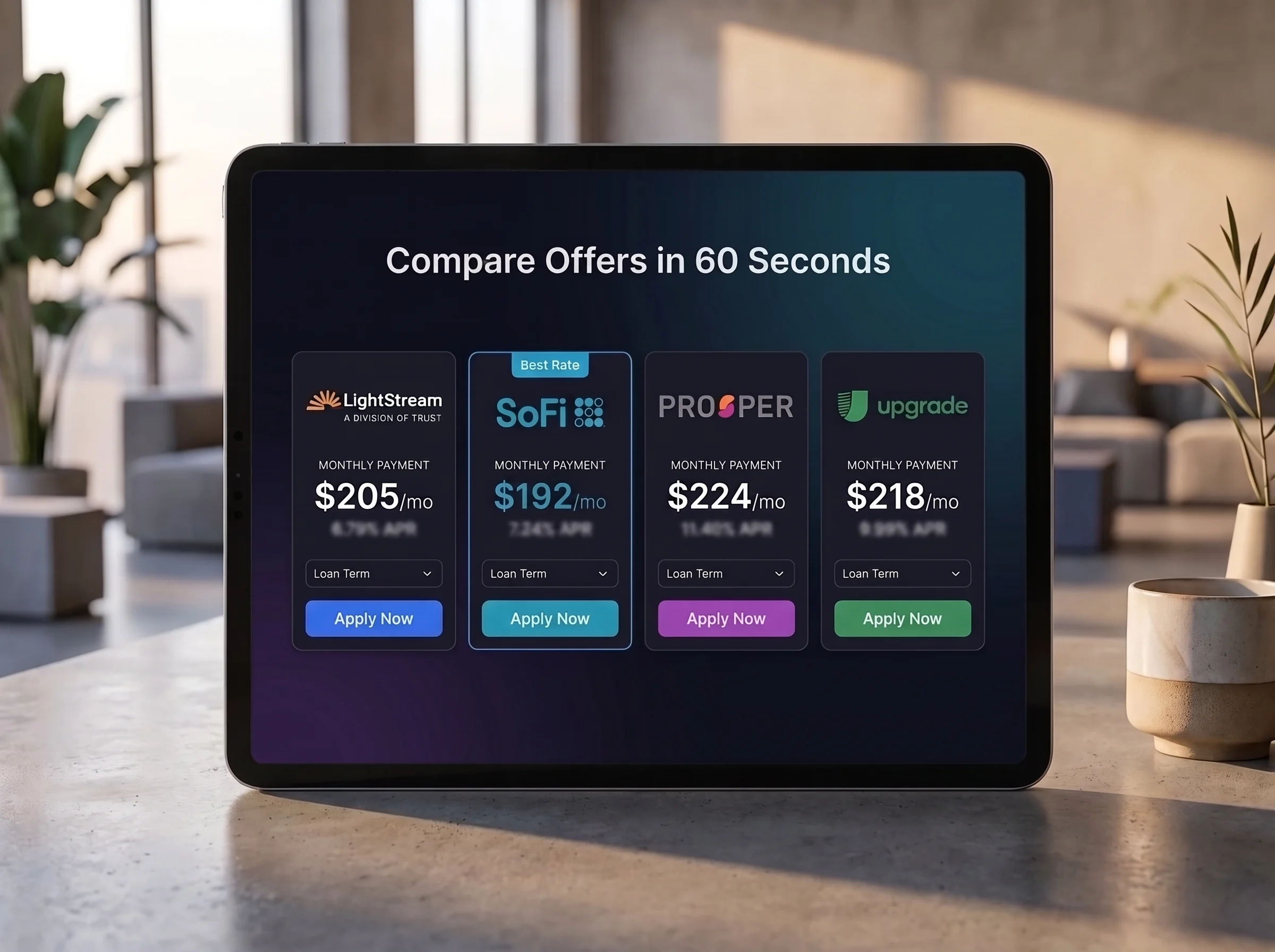
Participating Lender Network





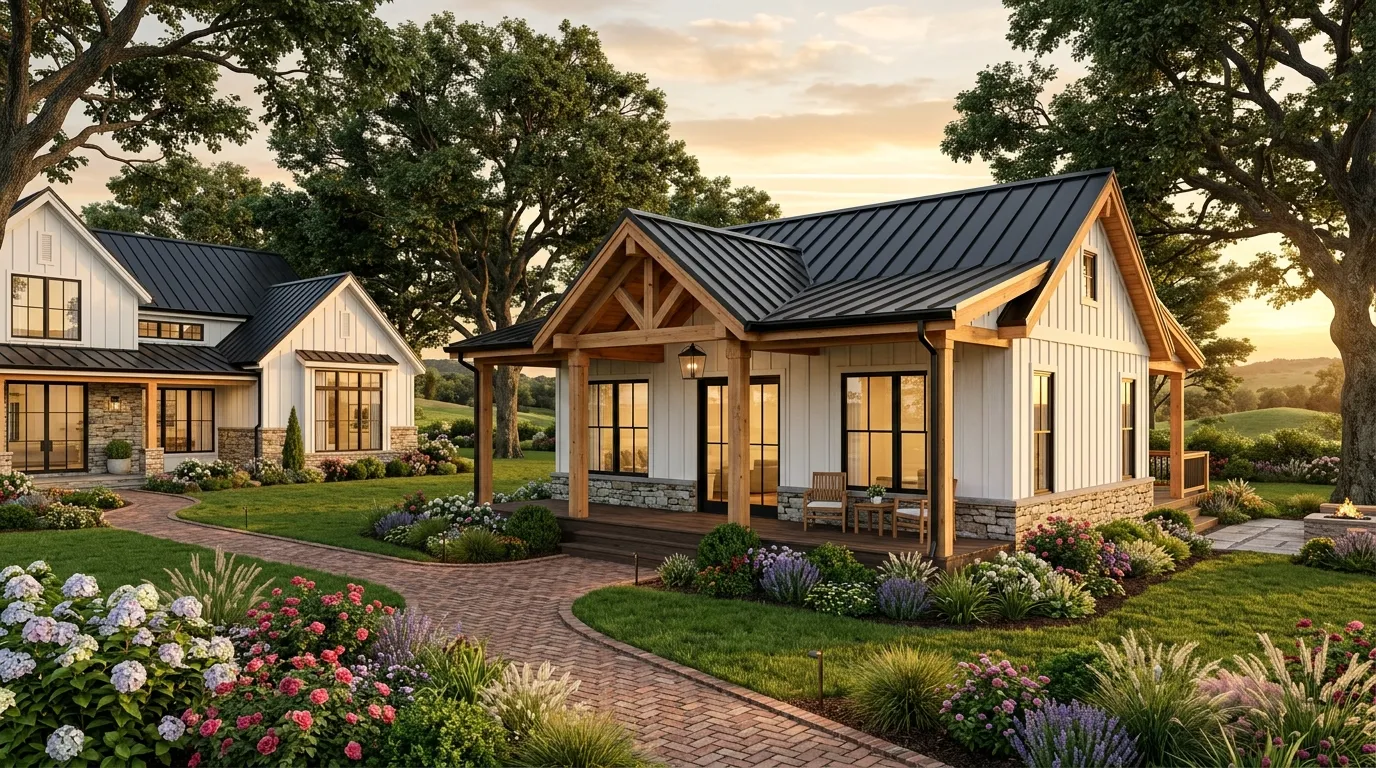
How to Finance & Pay for a Detached Guest House
Building a guest house runs anywhere from about $12,000 to convert an existing garage to $150,000 or more for a custom detached cottage, with prefab units landing in between. The final number depends on how you build, converting existing space, dropping in a prefab unit, or building from scratch, and on one feature that quietly decides everything: whether the space has a full kitchen. That single detail determines whether your guest house is a rentable accessory dwelling unit or simply extra guest quarters, which shapes both its value and how you finance it. Because these are large, home-scale projects, most owners pay with a home equity loan, a renovation loan, a construction loan, or a HELOC, and turn to a personal loan for smaller conversions.
Key Takeaways
- A guest house costs roughly $12,000 to convert a garage, $48,000 to $96,000 for a prefab unit, and $90,000 to $150,000+ custom-built.
- A guest house with a full kitchen is usually a legal accessory dwelling unit (ADU), which can be rented and financed differently than plain guest quarters.
- Because these are home-scale projects, home equity, renovation, and construction loans usually fit better than a personal loan.
- A true ADU can generate rental income that some lenders count toward qualifying, which a non-rentable guest house cannot.
- Beyond the structure, permits, utilities, and site work add 20% to 35% to the “house only” price.
- Converting a garage or shed is the cheapest path to guest space.
What Does a Guest House Cost?
The build path sets the price more than anything else. Converting existing space is cheapest, a prefab unit sits in the middle, and a custom detached build costs the most, roughly the same per square foot as a small house. Here is how the three paths compare.
What a Guest House Costs by Build Direction
Typical total project cost by construction method.
Bar length reflects the top of each range. Figures from HomeGuide and Angi.
A custom detached guest house runs $100 to $500 per square foot, close to building a small house, because you are essentially doing that. Beyond the structure itself, the costs that catch people off guard are the site and connection work: permits, a foundation, running water, sewer, and electric to a separate building, grading, and a contingency together add roughly 20% to 35% to the “house only” price. Adding plumbing alone often runs well over $10,000. Costs also vary sharply by region and local impact fees, so a build in a high-cost metro can land far above these ranges.
Guest House or ADU? Why the Kitchen Decides Your Financing
This distinction is easy to miss and it shapes the whole project. A guest house with a full kitchen is generally a legal accessory dwelling unit that you can rent, while one without a kitchen is guest quarters that you cannot rent as a separate home, and that difference changes your financing and its value.
To count as an accessory dwelling unit, or ADU, a space typically needs its own entrance, a sleeping area, a bathroom, a full kitchen, and independent climate control. Meet those, and you have a legal second dwelling: it can be rented, it adds the most value, and it opens up ADU-specific financing. Leave out the kitchen, and the same building is an accessory structure, a pool house, in-law suite, or home office, which is cheaper and sometimes simpler to permit, but cannot be rented as a separate unit and does not qualify for rental-income financing. Neither choice is wrong, but they serve different goals, so decide which you are building before you choose a loan, because the answer determines both what you can borrow against and what the space is worth.
How Do You Finance a Guest House?
Because a guest house is a home-scale project, the strongest financing is usually tied to your home or the completed structure. Here is how the main options compare.
Home Equity Loans and HELOCs
If you have equity, borrowing against it typically brings the lowest rate for a guest house. A home equity loan gives you a fixed lump sum, while a HELOC lets you draw in stages as construction hits milestones. Both use your home as collateral and involve closing costs, and they work best when your existing equity covers the project.
Renovation and Construction Loans
When the project costs more than your current equity, a renovation loan like the FHA 203(k) or Fannie Mae HomeStyle lends against the home’s value after the guest house is built. A construction loan is another route for a large detached build, releasing funds in stages and often converting to a permanent mortgage when the unit is finished. Both suit a guest house because it adds value the appraisal can recognize.
ADU Mortgages
For a guest house built as a true ADU, some mortgage programs are designed for exactly this. Freddie Mac finances properties with ADUs across its mortgage offerings and lets you count projected ADU rental income toward qualifying, which can help if you plan to rent the unit.
Personal Loans
A personal loan fits a smaller project best, a garage conversion or a modest guest room, since it funds fast, needs no equity, and skips the appraisal. Unsecured limits and higher rates make it a poor match for a six-figure detached build, where a home-secured or renovation loan will cost less.
Does Rental Income Help You Qualify?
It can, but only for a true ADU. When your guest house is a legal ADU with a kitchen, some lenders let you count part of its projected rental income toward qualifying for the loan, which a non-rentable guest house does not allow.
This is one of the practical payoffs of building a full ADU rather than plain guest quarters. Under the FHA and the major conventional programs, a share of the anticipated rent from a qualifying ADU can be added to your income for the debt-to-income calculation, which can raise the amount you are approved to borrow. The unit generally has to meet the program’s requirements, including a market rent analysis, and the rules on how much income counts vary by program. If part of your reason for building is to offset the cost with rent, confirm the specific requirements with your lender early, since they influence how the unit must be built and documented.
Do You Need a Permit for a Guest House?
Yes, and the rules are more involved than for most backyard projects. A guest house is a permanent structure that requires building permits, and if it is an ADU, it must also meet local zoning, setback, and utility requirements.
Because the structure is habitable, it goes through the same core review as a small home: building, electrical, plumbing, and mechanical permits, plus inspections. ADU rules add a zoning layer that governs maximum size, setbacks from property lines, parking, and sometimes owner-occupancy, though many states and cities have loosened these rules in recent years to encourage ADUs. Connecting water, sewer, and electric to a separate building can trigger utility fees and, in some areas, impact fees. A kitchen and full bath push the plumbing and electrical scope higher, which is part of why an ADU costs more than plain guest quarters. Confirm your local ADU and permit rules with the building department before you budget, since they shape what you can build, and fold permit and connection fees into the amount you finance.
Is a Guest House a Good Investment?
It can be, more so as an ADU than as guest quarters. A rentable ADU can add meaningful value and generate income, while a non-rentable guest house adds livability and flexibility more than a financial return.
A true ADU does two things a plain guest house does not: it can produce monthly rental income, and it tends to raise the property’s appraised value, since a rentable second unit is worth more to buyers and appraisers than a bonus room. In markets where ADUs are in demand, that combination can recover a large share of the cost over time. Guest quarters without a kitchen still add usable space and can make a home more appealing, but their value is in how you live rather than income. As with any large addition, build for your actual goal, income and value point toward a full ADU, while occasional visitors or a home office may not justify the added cost of making it rentable. Confirm any tax questions, such as whether home equity interest is deductible, with a tax professional.
How Do You Qualify for Guest House Financing?
Lenders look at your credit, your income against your debts, your equity or the home’s projected value, and, for an ADU, potentially the rental income. Because the project is large, the preparation runs a little deeper. Here is the order that works well:
- Decide ADU or guest quarters first. Whether you include a kitchen determines the cost, the financing, and whether rental income can help you qualify, so settle it before you shop, and get an itemized bid that includes site work and utility connections.
- Check your credit and debt load. Review your credit report for errors and total your monthly debts, since most lenders want your total debt, including the new payment, at or below about 43% of your gross income.
- Match the loan to the project, then prequalify. Compare home equity and renovation loans for a large build, an ADU mortgage if you will rent it, or a personal loan for a small conversion. Prequalify with a soft credit check and judge offers on total cost.
| Financing Option | Best For | Based On |
|---|---|---|
| Home equity / HELOC | Owners with enough equity | Current home value |
| Renovation / construction loan | Large builds, limited equity | After-completion value |
| Personal loan | Garage conversions, small guest rooms | Income and credit |
Choose financing that fits your project. A garage conversion often works well with a personal loan, while a detached guest house may justify home equity, renovation financing, or ADU-specific loan options.
The Bottom Line
The best financing option depends on the project’s cost, your credit, and whether you have home equity. Home equity loans and HELOCs are a common choice for a guest house when you have enough equity, since they carry lower rates than unsecured borrowing. A renovation or construction loan can finance a large build against its completed value if your equity falls short, an ADU mortgage lets you count projected rental income toward qualifying when you build a rentable unit, and a personal loan fits a smaller garage conversion. Contractor financing is worth considering as well, but compare it with outside offers first.
Before you borrow, decide whether you are building a rentable ADU or plain guest quarters, since a kitchen changes both the cost and the financing, and get an itemized bid that includes permits, utility connections, and site work. Whatever you choose, compare offers based on the total amount you’ll repay, not just the monthly payment.
The information provided by Pasha Funding is for educational and informational purposes only and should not be considered financial, legal, or tax advice. Every homeowner’s financial situation is different, and the financing options discussed may not be suitable for everyone. Before choosing a financing solution, carefully review the lender’s terms and consider consulting a qualified financial professional if needed.
Pasha Funding is a financing marketplace that connects homeowners with financing options offered by participating lending partners. We do not make loans, determine credit eligibility, or guarantee approval or specific loan terms. Pasha Funding is not a direct lender. We may receive compensation from participating lending partners when users submit an application or obtain a loan through our platform. This compensation may affect how and where financing options appear, but it does not influence our editorial evaluations.
Financing offers, rates, terms, and availability are determined solely by participating lenders and may change without notice. Our editorial content is created independently to help consumers better understand home improvement financing. While we strive to keep information accurate and current, financing products, lender requirements, rates, and offers may change over time. Any opinions expressed are those of the author and have not been reviewed, approved, or endorsed by our lending partners.


Frequently Asked Questions
In this guide
- How Much Does an Outdoor Kitchen Cost?
- What the “Average” Price Leaves Out: Appliances and Utility Hookups
- How Do You Finance an Outdoor Kitchen?
- Do You Need a Permit for an Outdoor Kitchen?
- Does Homeowners Insurance Cover an Outdoor Kitchen?
- How Do You Qualify for Outdoor Kitchen Financing?
- The Bottom Line
how it works
3 Simple steps to
finance your project.
Getting started only takes a minute. Complete one simple application to compare available financing offers from over 18+ lenders, choose the option that fits your budget, and move forward with your home improvement project.
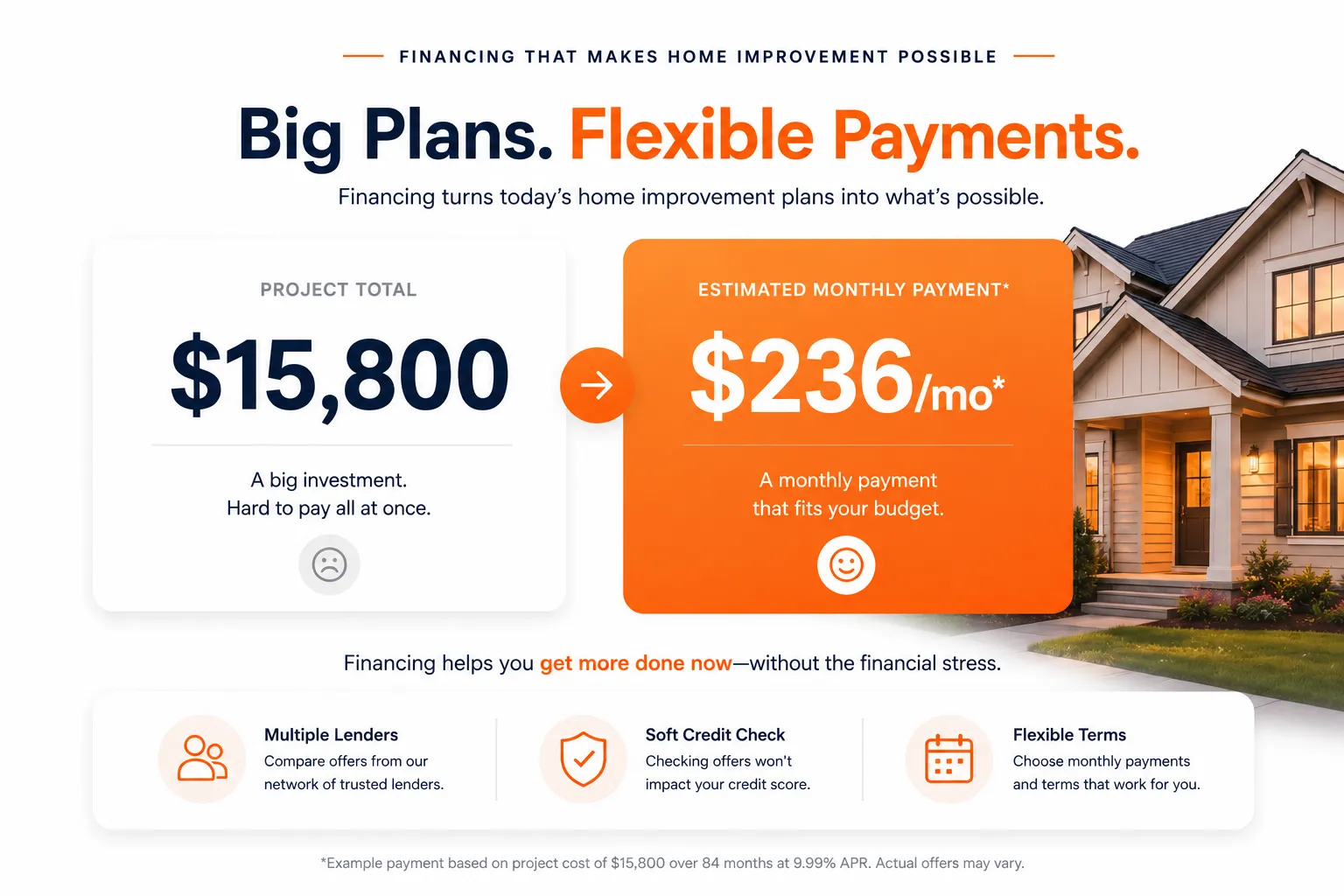
Detached Guest House Financing Calculator
1. Enter Your Desired Loan Amount
Your Estimate
Monthly Payment
-
This calculator provides estimates for illustrative purposes only and does not constitute an offer of credit or a commitment to lend. Final APRs, loan amounts, and terms depend on credit approval, income verification, and lender underwriting criteria. Minimum and maximum rates/terms vary by state.
Powered by: Pasha Funding
Risk-Free Prequalification
Checking offers won’t impact your credit.
It’s common for homeowners to delay applying because they’re worried about their credit score. With a soft credit check, you can review available financing options without any impact to your credit score.2