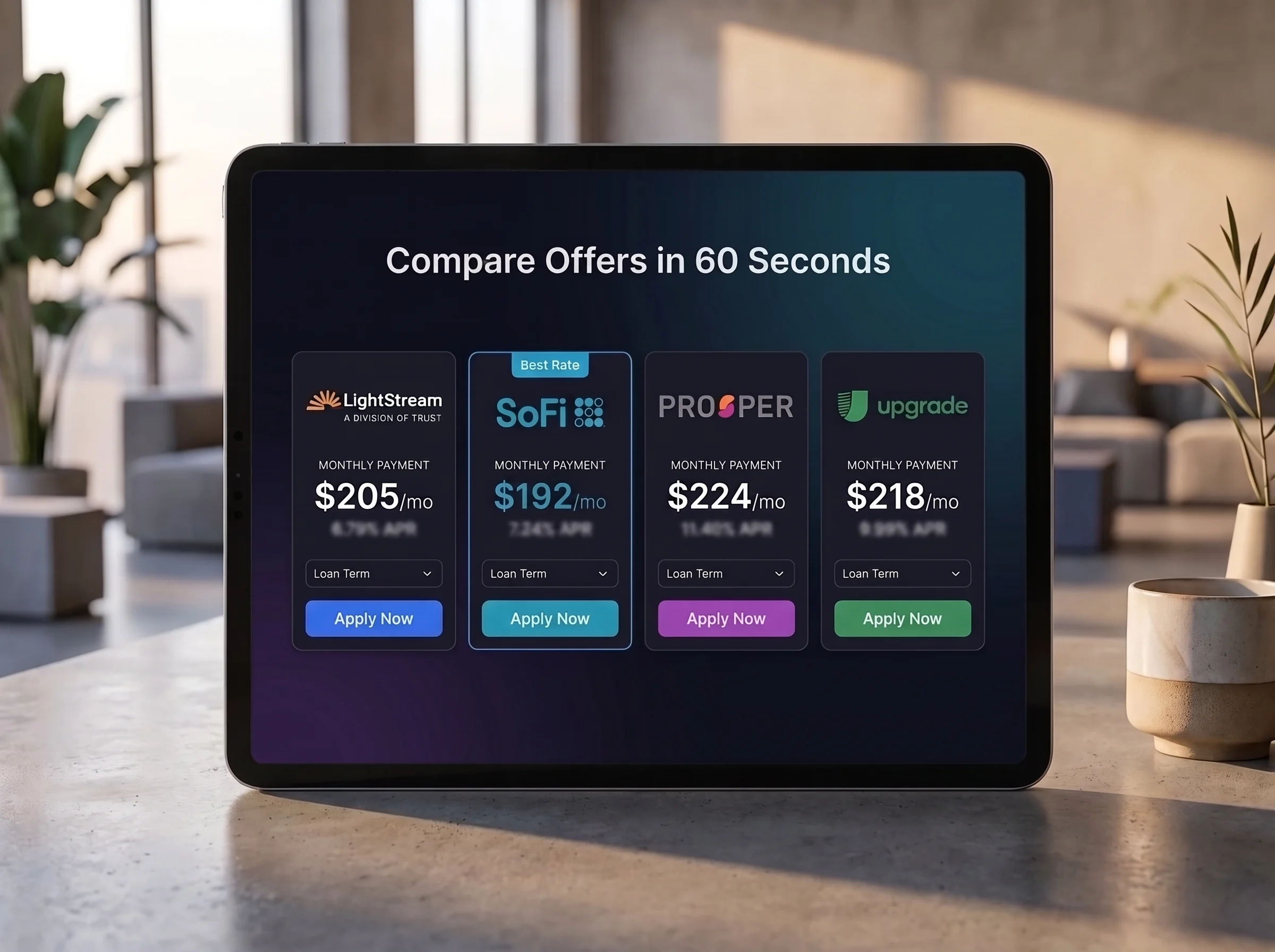
Participating Lender Network





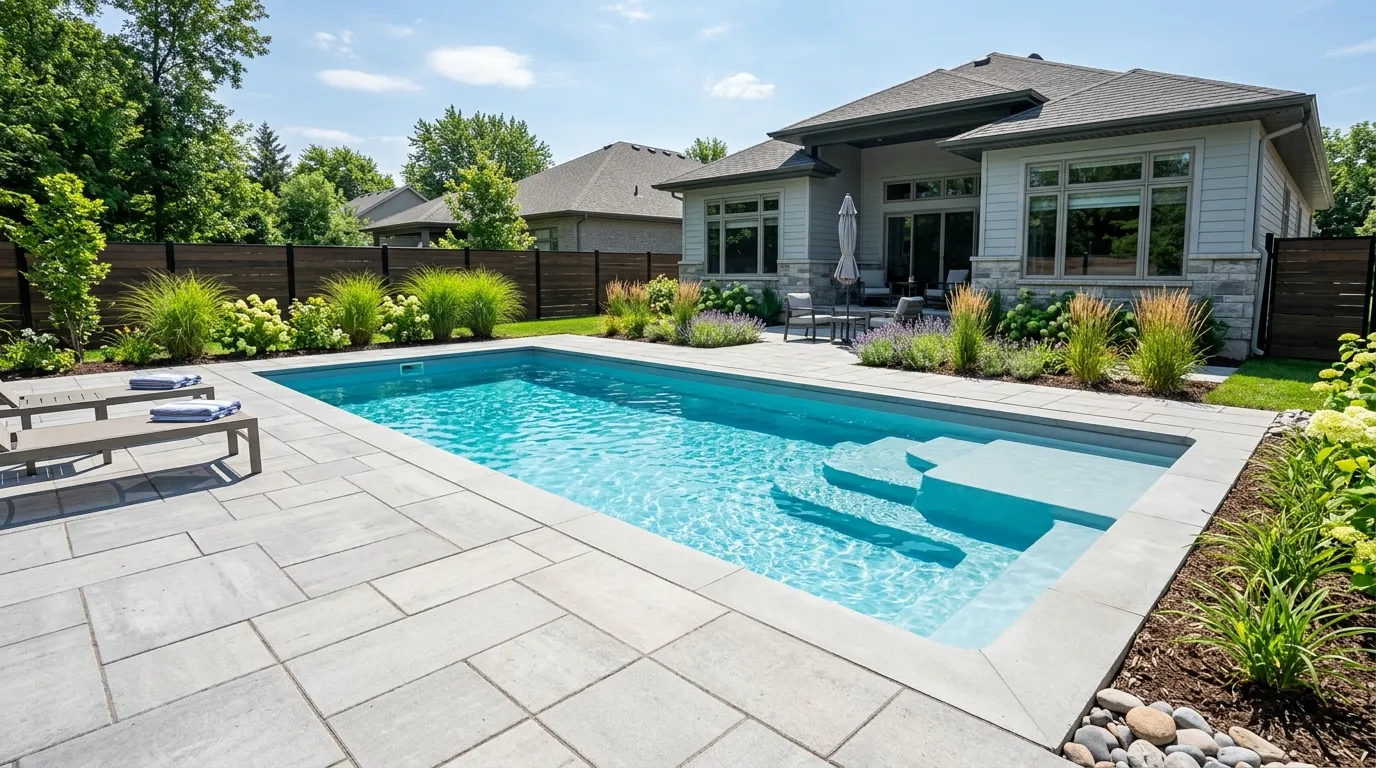
How to Finance a fiberglass swimming pool
A fiberglass pool typically costs $45,000 to $100,000+ installed, with turnkey backyard installations averaging between $50,000 and $120,000. What sets fiberglass apart from other in-ground options is its core build: a pre-molded, precision-engineered factory shell delivered directly to your home and installed in weeks rather than months. It delivers faster turnaround than gunite concrete, lower lifetime maintenance than vinyl or concrete, and decades of structural longevity—balanced against fixed mold dimensions. Because an in-ground swimming pool represents a significant five- to six-figure capital investment, most homeowners utilize financing options like a home equity line of credit (HELOC), home equity loan, or unsecured personal loan to fund the build.
Key Takeaways
- Turnkey installed cost runs $45,000 to $100,000+, positioning fiberglass between vinyl liner pools (lower upfront cost) and concrete/gunite (higher upfront and lifetime maintenance costs).
- Fast installation timeline (2 to 4 weeks): Because the pool shell is manufactured off-site, on-site excavation, setting, and plumbing require significantly less time than concrete builds.
- Lowest lifetime maintenance: The inert, non-porous gelcoat finish resists algae growth, eliminates expensive liner replacements, and requires substantially fewer balancing chemicals.
- Fixed dimensional limitations: Fiberglass pools are restricted to pre-engineered manufacturer molds—generally up to 16 feet wide and 40 feet long due to highway shipping constraints.
- Predictable project financing: Standardized factory pricing eliminates costly on-site structural change orders, making it easier to lock in exact loan amounts through a HELOC, home equity loan, or fixed-rate pool loan.
Should You Choose a Fiberglass, Vinyl, or Concrete Pool?
Choosing the right in-ground pool material requires balancing upfront capital expenditure, long-term maintenance costs, installation timeframes, and design customization. Fiberglass balances middle-tier initial pricing with industry-leading convenience and low operational upkeep.
| Pool Type | Average Installed Cost | Installation Timeline | 10-Year Maintenance Cost | Design Customization |
|---|---|---|---|---|
| Fiberglass | $45,000–$100,000+ | 2–4 weeks | Lowest ($3,500–$6,000) | Pre-engineered molds only |
| Vinyl Liner | $40,000–$75,000 | 4–8 weeks | Moderate to High (Liner replacement every 5–9 yrs) | Flexible standard dimensions |
| Concrete (Gunite/Shotcrete) | $65,000–$120,000+ | 3–6 months | Highest (Acid washing & replastering every 10 yrs) | Fully custom freeform |
Cost and maintenance data sourced from national averages compiled by HomeAdvisor and Bob Vila.
Pros and Cons of Fiberglass Swimming Pools
The pre-engineered shell drives both the operational advantages and the specific architectural constraints of fiberglass pools. Weigh both sides before locking in your project scope:
Pros:
- Rapid on-site installation: Because the shell is delivered pre-cured, your backyard remains an active construction zone for 2 to 4 weeks rather than an entire season.
- Minimal chemical consumption: The non-porous gelcoat finish prevents embedded algae growth and does not interact with pool water chemistry, reducing chemical demand by up to 70%.
- Structural durability & flex: High-tensile fiberglass shells flex slightly with natural soil movement and seasonal freeze-thaw cycles without cracking, boasting a functional lifespan of 25 to 50+ years.
- Saltwater system compatibility: Unlike concrete plaster, which degrades and requires frequent replastering under high salt concentrations, fiberglass gelcoat is completely impervious to salt corrosion.
- Zero resurfacing or liner swap costs: There is no vinyl liner to puncture or replace, and no rough plaster finish requiring costly aggregate resurfacing.
Cons:
- Limited shapes and design customization: You must select from a manufacturer’s catalog of pre-engineered molds, with no ability to create fully bespoke or custom geometric layouts.
- Size and depth constraints: Due to Department of Transportation highway shipping regulations, shells rarely exceed 16 feet in width and 8 feet in maximum depth.
- Higher upfront cost than vinyl: While cheaper over a 10-year period, the initial investment to buy and drop a fiberglass shell is noticeably higher than building a vinyl liner pool.
- Complex backyard site access: The shell requires a clear crane path from the delivery flatbed over your home or through property lines into the excavated site.
Why Fiberglass Pools Offer Lower Financing Risk
A major benefit of choosing fiberglass is loan precision. Custom gunite builds are susceptible to unexpected excavation delays, extended weather hold-ups, and costly labor change orders. In contrast, factory-manufactured shells arrive with fixed unit costs. This structural predictability allows you to establish a firm borrowing amount without risking mid-construction budget shortfalls.
How to Finance a Fiberglass Swimming Pool
Because installing an in-ground pool is an extensive home improvement project, financing generally breaks down into secured home equity options versus unsecured consumer loans:
- Home Equity Line of Credit (HELOC): Offers a flexible revolving draw period with variable interest rates. You draw funds as contractor milestone payments come due and pay interest only on the disbursed balance during construction.
- Home Equity Loan (Fixed-Rate Second Mortgage): Provides a lump-sum payout with fixed monthly payments and stable interest rates. Ideal for locking in the exact, turnkey price of a fiberglass project.
- Unsecured Personal Loan / Specialized Pool Loan: Fast funding (often within 24 to 72 hours) with no home appraisal, closing fees, or property lien. Unsecured loans carry higher APRs and require strong credit (typically 670+ FICO) to secure favorable borrowing limits.
- Dealer & Manufacturer Financing: Point-of-sale financing through affiliated third-party lenders. Always evaluate total interest charges over the life of the loan against an outside lending institution.
Is Swimming Pool Financing Tax-Deductible?
Under current tax code, interest paid on personal unsecured loans or credit cards is never tax-deductible. However, interest paid on home equity loans or HELOCs may be deductible if specific criteria are met under IRS Publication 936:
- The borrowed funds must be used exclusively to buy, build, or substantially improve the qualified home securing the loan.
- A permanent, in-ground fiberglass installation that increases the capital value of the home typically qualifies as a capital improvement.
- Total home acquisition debt across all secured mortgages must remain within federal statutory limits ($750,000 for single filers/married filing jointly).
Disclaimer: Tax laws vary by individual financial standing and jurisdiction. Always consult a certified public accountant (CPA) or tax attorney to verify eligibility before claiming deductions.
How to Qualify for Pool Financing
Lenders evaluate your credit profile, debt load, and available collateral during the underwriting process. To streamline approval:
- Secure an itemized contractor agreement: Provide an all-inclusive, permitted contract detailing shell specs, delivery, excavation, electrical, and mandatory code compliance barriers.
- Verify your Debt-to-Income (DTI) ratio: Ensure total recurring monthly debt obligations (including the projected pool payment) remain below 36% to 43% of gross monthly income.
- Confirm Loan-to-Value (LTV) margins: For home equity financing, most institutions require at least 15% to 20% residual equity post-loan (maximum 80% to 85% combined LTV).
- Prequalify using soft credit inquiries: Shop rates with multiple reputable lending partners to compare APRs, loan terms, and origination fees without impacting your credit score.
Closing Thoughts
A fiberglass swimming pool offers the optimal balance of longevity, rapid installation, and minimal lifetime maintenance. Because off-site shell manufacturing establishes predictable baseline costs, homeowners can accurately align their borrowing needs without the continuous risk of on-site change orders.
Before moving forward, obtain itemized turnkey proposals from licensed, insured installers. Evaluate whether a low-rate secured home equity product or a fast, zero-collateral personal loan best aligns with your timeline, risk tolerance, and long-term financial strategy.
The information provided by Pasha Funding is for educational and informational purposes only and should not be considered financial, legal, or tax advice. Every homeowner’s financial situation is different, and the financing options discussed may not be suitable for everyone. Before choosing a financing solution, carefully review the lender’s terms and consider consulting a qualified financial professional if needed.
Pasha Funding is a financing marketplace that connects homeowners with financing options offered by participating lending partners. We do not make loans, determine credit eligibility, or guarantee approval or specific loan terms. Pasha Funding is not a direct lender. We may receive compensation from participating lending partners when users submit an application or obtain a loan through our platform. This compensation may affect how and where financing options appear, but it does not influence our editorial evaluations.
Financing offers, rates, terms, and availability are determined solely by participating lenders and may change without notice. Our editorial content is created independently to help consumers better understand home improvement financing. While we strive to keep information accurate and current, financing products, lender requirements, rates, and offers may change over time. Any opinions expressed are those of the author and have not been reviewed, approved, or endorsed by our lending partners.


See also:
- Swimming Pool Financing & Loans
- Above Ground Pool Financing
- Fiberglass Pool Financing
- Pool Enclosure Loans
Pool financing options by state:
Frequently Asked Questions
how it works
3 Simple steps to
finance your project.
Getting started only takes a minute. Complete one simple application to compare available financing offers from over 18+ lenders, choose the option that fits your budget, and move forward with your home improvement project.
fiberglass pool Financing Calculator
1. Enter Your Desired Loan Amount
Your Estimate
Monthly Payment
-
This calculator provides estimates for illustrative purposes only and does not constitute an offer of credit or a commitment to lend. Final APRs, loan amounts, and terms depend on credit approval, income verification, and lender underwriting criteria. Minimum and maximum rates/terms vary by state.
Powered by: Pasha Funding
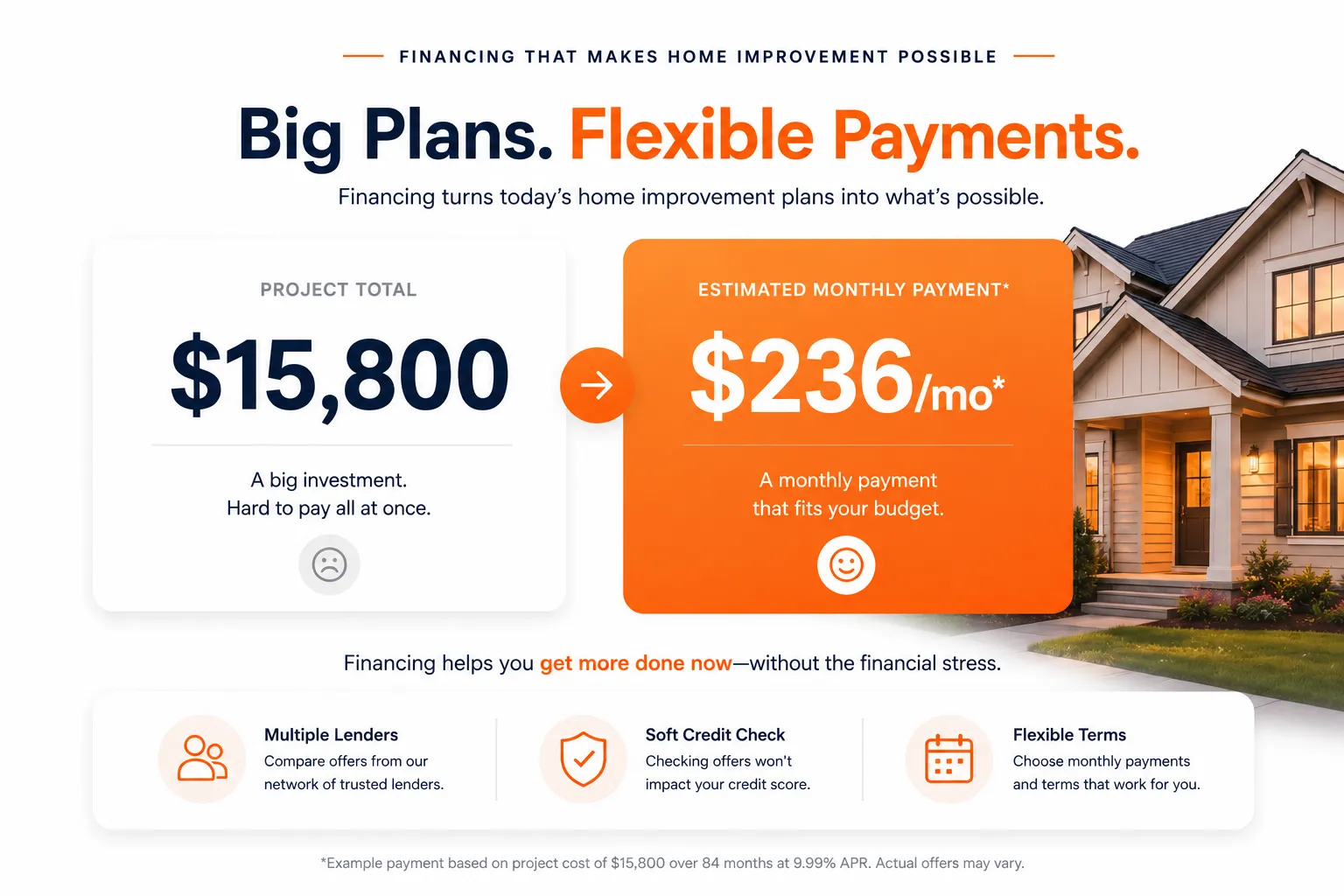
Risk-Free Prequalification
Checking offers won’t impact your credit.
It’s common for homeowners to delay applying because they’re worried about their credit score. With a soft credit check, you can review available financing options without any impact to your credit score.2