HVAC Financing: How to Pay for a New System
Offering same-as-cash financing can help you close more jobs and raise your average ticket, but it comes with a cost most contractors underestimate: a dealer fee you pay on every financed project. A same-as-cash loan lets your customer pay no interest if they clear the balance within a promotional window, and in exchange, the lender charges you a percentage of the job, often far more than a standard installment loan costs. Understanding that trade-off, what the fee actually is, when the added sales justify it, and how to explain the terms so customers are not blindsided, is what separates contractors who profit from these programs from those who quietly lose margin on them.
Key Takeaways
- Same-as-cash lets a customer avoid all interest if they pay the balance in full within a set promotional window, usually 90 days to 12 months.
- The contractor pays a dealer fee on each financed job, and promotional plans cost far more than standard installment loans.
- Standard installment financing often runs an effective 2% to 4%, while same-as-cash and other deferred-interest promos run 8% to 25% or more.
- You only pay the fee when a job closes and funds, so it works like a sales cost, not overhead.
- If the customer misses the payoff deadline, interest is charged retroactively from day one, which can leave them unhappy with you.
- Leading with a standard loan and reserving same-as-cash for customers who ask keeps your blended fee low.
What Is a Same-As-Cash Loan?
It is a promotional, deferred-interest loan offered at the point of sale. The customer takes delivery of the work with no money down and no interest, as long as they pay the full balance before a set deadline.
Promotional periods generally run from 90 days to 12 months, occasionally longer. During that window, interest is quietly accruing in the background, but if the customer pays the entire principal before the deadline, that interest is waived and they pay exactly what the project cost. In effect, they get the flexibility of financing at the price of cash, which is where the name comes from. The important nuance, for you and for them, is that the interest is deferred, not eliminated. It is calculated from day one and only forgiven on full, on-time payoff. That structure is what makes the product attractive at the point of sale and also what creates the risk discussed further below.
How Does Offering Same-As-Cash Work for Contractors?
On your end, the mechanics are straightforward, since the lender carries the loan. You partner with a financing company, the customer applies and is approved at the point of sale, and the lender pays you the project amount minus a dealer fee, usually within a few days.
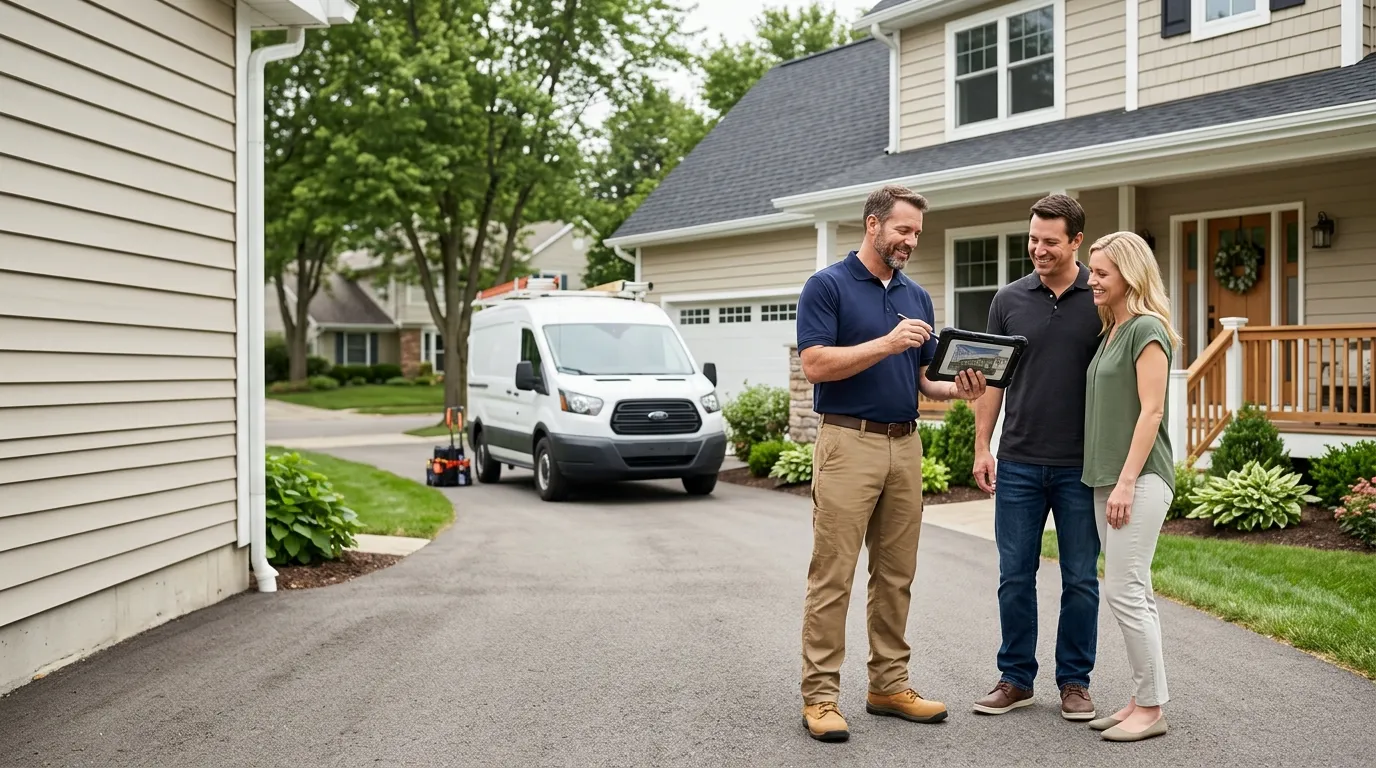
The customer’s application and approval happen quickly, often on a phone or tablet during the sales appointment, so you can present a payment option while you are still in the home. Once the job funds, the lender sends you the full contract price less the dealer fee, and the lender, not you, owns the repayment relationship and the collection risk. That fast funding is a real cash-flow benefit: instead of waiting on a customer to pay a large lump sum, you are paid promptly and can order materials and cover payroll. The customer then repays the lender under the promotional terms. Your job is to present the option clearly and make sure the customer understands what they are agreeing to.
What Does Same-As-Cash Cost the Contractor?
This is the part that decides whether the program helps or hurts your bottom line. Same-as-cash carries a dealer fee, a percentage of the financed amount that you pay, and promotional plans cost several times more than standard installment loans.
The dealer fee, sometimes called a merchant discount, is how the lender funds the customer’s interest-free window: someone has to cover that deferred interest, and it is you. According to industry contractor financing data, standard installment loans with normal interest work out to an effective 2% to 4%, while promotional and deferred-interest plans like same-as-cash run 8% to 25% or more, because the lender is subsidizing the customer’s low or delayed interest and passing that cost to you. Published lender rate sheets have shown a similar spread, from near zero on standard loans up to the high teens on true 0% plans. Contractors handle this fee in a few ways: building a financing allowance into all quotes, offering a discount for cash or check payment, or absorbing the fee on large jobs where closing the sale is worth it. There is no single right answer, but the fee has to be accounted for somewhere, or it comes straight out of your margin.
Does Offering Financing Actually Close More Jobs?
For many contractors, yes, and that is the case for accepting the fee. More than half of home improvement projects involve financing in some form, so offering a payment option at the point of sale can lift both your close rate and your average project size.
When a homeowner has to pay a large sum out of pocket, they often hesitate, delay, or shop around, and some move forward with a competitor who offered a payment plan on the spot. A financing option removes that friction and lets a customer say yes to a bigger scope, adding the better materials or the extra room, because the monthly number feels manageable. The key mental shift is that the dealer fee is a cost of sale, not overhead: you only pay it when a job actually closes and funds, so it does not touch the jobs you do not win. If offering financing closes even a modest share of additional work, or raises average ticket size, the fees can pay for themselves several times over. The honest caveat is that this only holds if you track the numbers: know your close rate and average ticket with and without financing, so you can confirm the program is earning its fee rather than assuming it.
The Deferred-Interest Trap: Why It Matters to Your Customers and You
This is the risk every contractor offering same-as-cash should understand, because a customer burned by it will associate the pain with your company. If the customer fails to pay the full balance by the deadline, the lender charges interest retroactively from the original purchase date on the entire amount, often at a rate above 20%.
The Consumer Financial Protection Bureau explains that with a deferred-interest promotion, all the interest recorded but not charged during the promotional period is added to the balance at the end if the purchase is not paid off in full. Miss the deadline by even a small amount, or a single late payment in some programs, and a customer who thought they were paying “same as cash” suddenly owes a lump sum of back interest. The CFPB has warned that these promotions can surprise consumers with high, retroactive charges, and these offers are governed by federal Truth in Lending disclosure rules for exactly that reason. For a contractor, the takeaway is not to avoid the product, but to be the one who explains it honestly. A customer who understands the deadline and pays on time is thrilled with you; one who is blindsided six months later is not, and word travels.
Same-As-Cash vs. Other Ways to Offer Financing
Same-as-cash is one tool among several, and the right mix depends on your customers and your margins. The main alternatives are standard installment loans, which cost you far less, and letting customers arrange their own outside financing at no cost to you.
A standard installment loan gives the customer a fixed monthly payment with interest from day one, and it carries a much lower dealer fee, which is why many contractors lead with it. Same-as-cash wins on point-of-sale appeal, since “no interest” is a powerful phrase, but it costs you more and carries the deferred-interest risk for the customer. A third path is to let customers bring their own financing, a personal loan or a home equity line they arrange independently, which costs you nothing in dealer fees and puts the borrowing decision entirely in their hands, though it removes the on-the-spot convenience that helps close a sale. Many successful contractors offer more than one option and let the customer choose.
| Option | Cost to Contractor | Main Appeal |
|---|---|---|
| Same-as-cash | High dealer fee (8%+) | “No interest” closes sales |
| Standard installment loan | Lower dealer fee (2-4%) | Predictable monthly payment |
| Customer’s own financing | None | No cost, customer controls it |
The stronger the “no interest” hook you want at the table, the more you pay for it: offer same-as-cash for its closing power, but pair it with lower-cost options so you are not funding a promo on every job.
The Bottom Line
Same-as-cash financing can be a genuinely effective way to close more home improvement jobs and raise your average ticket, but only if you go in understanding the dealer fee and manage it deliberately. The fee on a promotional plan is several times higher than on a standard installment loan, so it works best as one option among several rather than the default you offer on every bid. Because you pay only when a job funds, the cost behaves like a sales expense, and it pays off when financing genuinely wins you work you would otherwise lose.
Before you sign on with a financing partner, ask exactly what the dealer fee is for each loan type, decide how you will account for it in your pricing, and commit to explaining the payoff deadline and the retroactive-interest risk to every customer in writing. Handled honestly, same-as-cash keeps customers satisfied and jobs moving; handled carelessly, it costs you margin and goodwill. Compare a few financing partners on their fees and terms before deciding, and track your close rate so you can see whether the program is earning its keep.
The information provided by Pasha Funding is for educational and informational purposes only and should not be considered financial, legal, or tax advice. Every homeowner’s financial situation is different, and the financing options discussed may not be suitable for everyone. Before choosing a financing solution, carefully review the lender’s terms and consider consulting a qualified financial professional if needed.
Pasha Funding is a financing marketplace that connects homeowners with financing options offered by participating lending partners. We do not make loans, determine credit eligibility, or guarantee approval or specific loan terms. Pasha Funding is not a direct lender. We may receive compensation from participating lending partners when users submit an application or obtain a loan through our platform. This compensation may affect how and where financing options appear, but it does not influence our editorial evaluations.
Financing offers, rates, terms, and availability are determined solely by participating lenders and may change without notice. Our editorial content is created independently to help consumers better understand home improvement financing. While we strive to keep information accurate and current, financing products, lender requirements, rates, and offers may change over time. Any opinions expressed are those of the author and have not been reviewed, approved, or endorsed by our lending partners.

Frequently Asked Questions
Advertising Disclosure
In this guide